

Food and land use context in China
China faces the immense challenge of feeding 1.4 billion people – 18 percent of the world’s population – on less than 9 percent of the planet’s cropland. Since 1949, successive policies have focused on improving yields and promoting rural development. Agricultural production has largely kept pace with rising demand while drastically reducing rates of hunger and malnutrition.
Nonetheless, important challenges remain. About 11 percent of its adult population is diabetic and more than one in two adults is classified as overweight or obese. The population consumes around 28 percent of the global supply of meat and Chinese cities alone waste enough food to feed 30-50 million people. Food systems are important contributors to green house gas emissions in China.
As the largest agricultural market in the world, China has major impacts on other countries. It is the top importer of soy, beef and logs and the second biggest importer of palm oil and lumber, all commodities that are key drivers of deforestation.
Yet, where there are challenges there are opportunities. China’s vibrant food and land use sector has the potential to tip the scales in ways that would benefit people and the planet.
FOLU activity in China
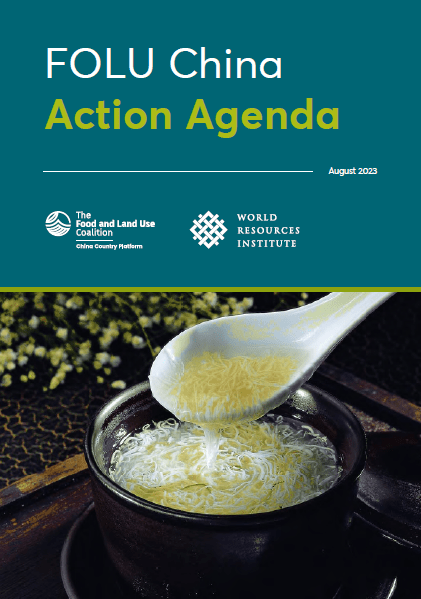
In China, FOLU works to ensure that food and land use systems transformation is deeply rooted in existing national priorities. China’s long-standing focus on food security, its recent commitments to carbon neutrality, and policy focus on many of FOLU’s priority areas all provide important entry points.
The platform is comprised of several leading China-based institutions and organizations working at the nexus of nutrition, climate, environment, agriculture, trade and food systems. This includes the China Agricultural University (CAU) and its Academy of Global Food Economics and Policy (AGFEP); the Centre for Agricultural Resources Research of the Chinese Academy of Sciences (CAS); the World Business Council for Sustainable Development (WBCSD) and the World Resources Institute (WRI) China.
FOLU China aims to strengthen the scientific and economic evidence-base for policy reform and demonstrate impact through local pilots and multi-stakeholder approaches. As part of the global FOLU network, FOLU China also facilitates collaboration between Chinese stakeholders and leading global experts, to share experiences and learnings with other countries.
Key priorities include promoting 1) sustainable and healthy diets 2) sustainable and regenerative agriculture 3) the reduction of food loss and waste 4) the integration of food and land use into China’s climate neutrality strategies and 5) greening of the country’s international soft commodity value chains.
FOLU has established a global technical working group composed of experts from Chinese and international institutions to support the government’s climate neutrality target.

Events in China
Latest news from China
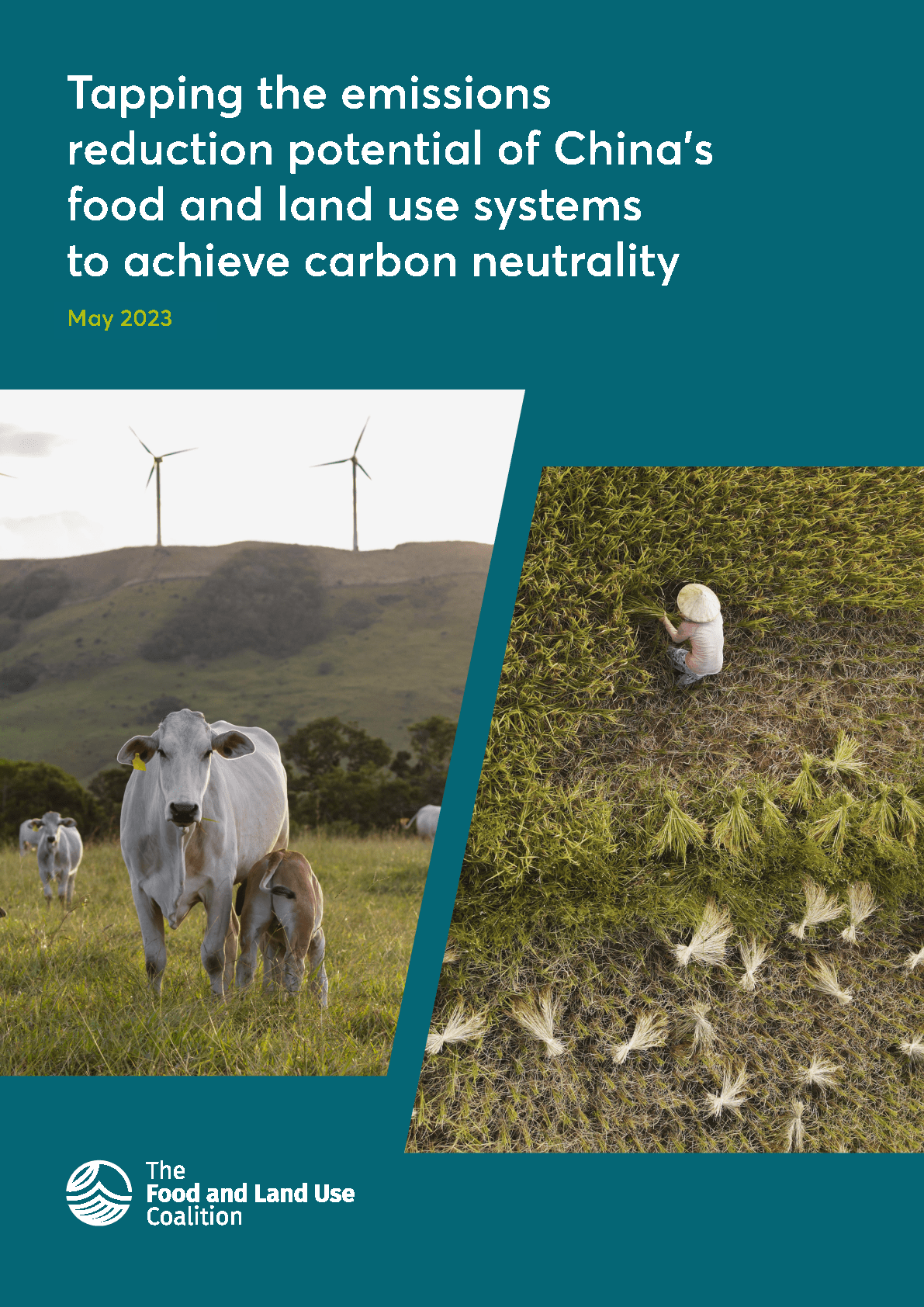
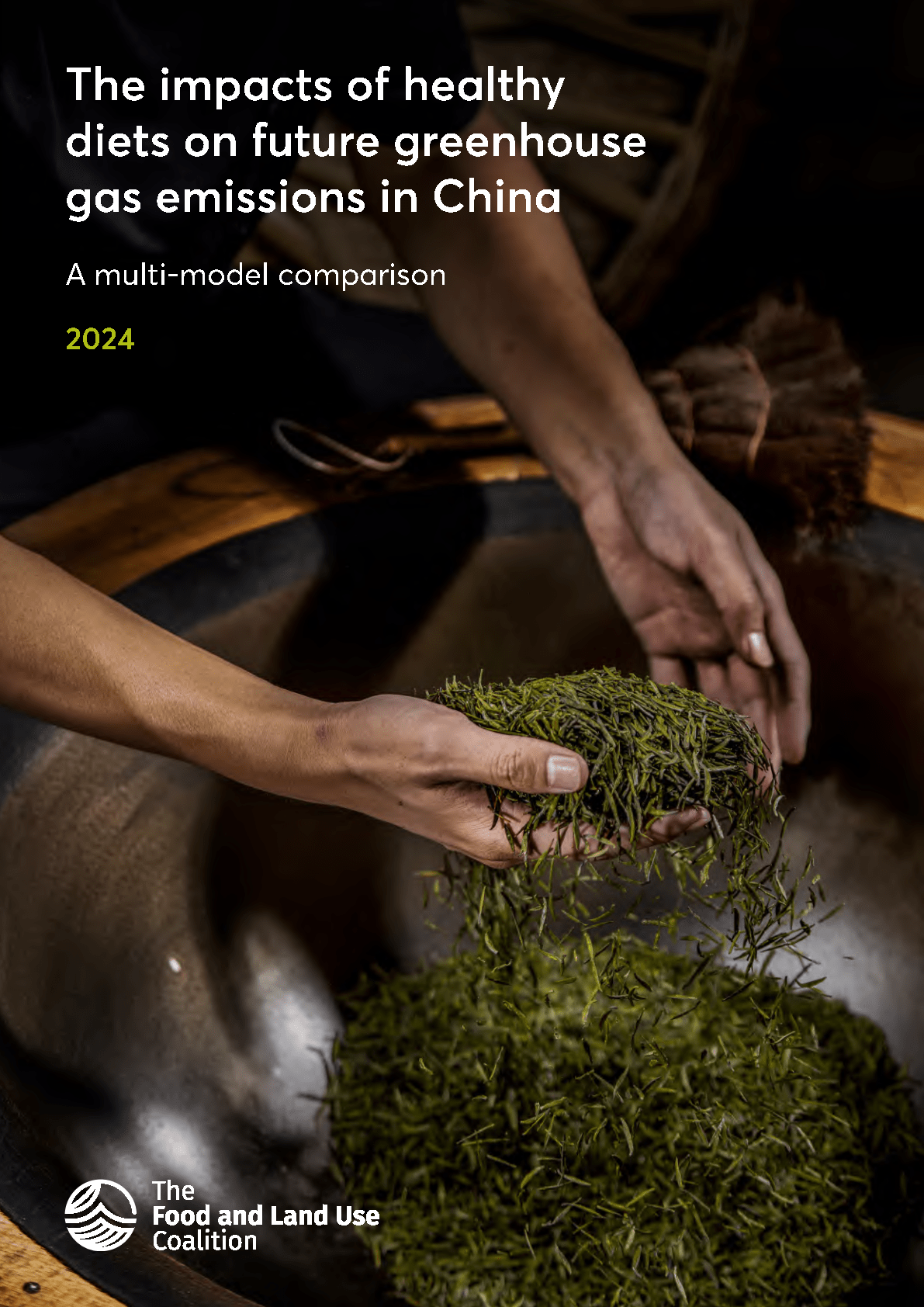
China’s meat reduction potential in lowering GHG emissions could set an example for others.
New research by FOLU highlights the significant mitigation potential of sustainable and healthy diets in…