

Food and land use context in Colombia
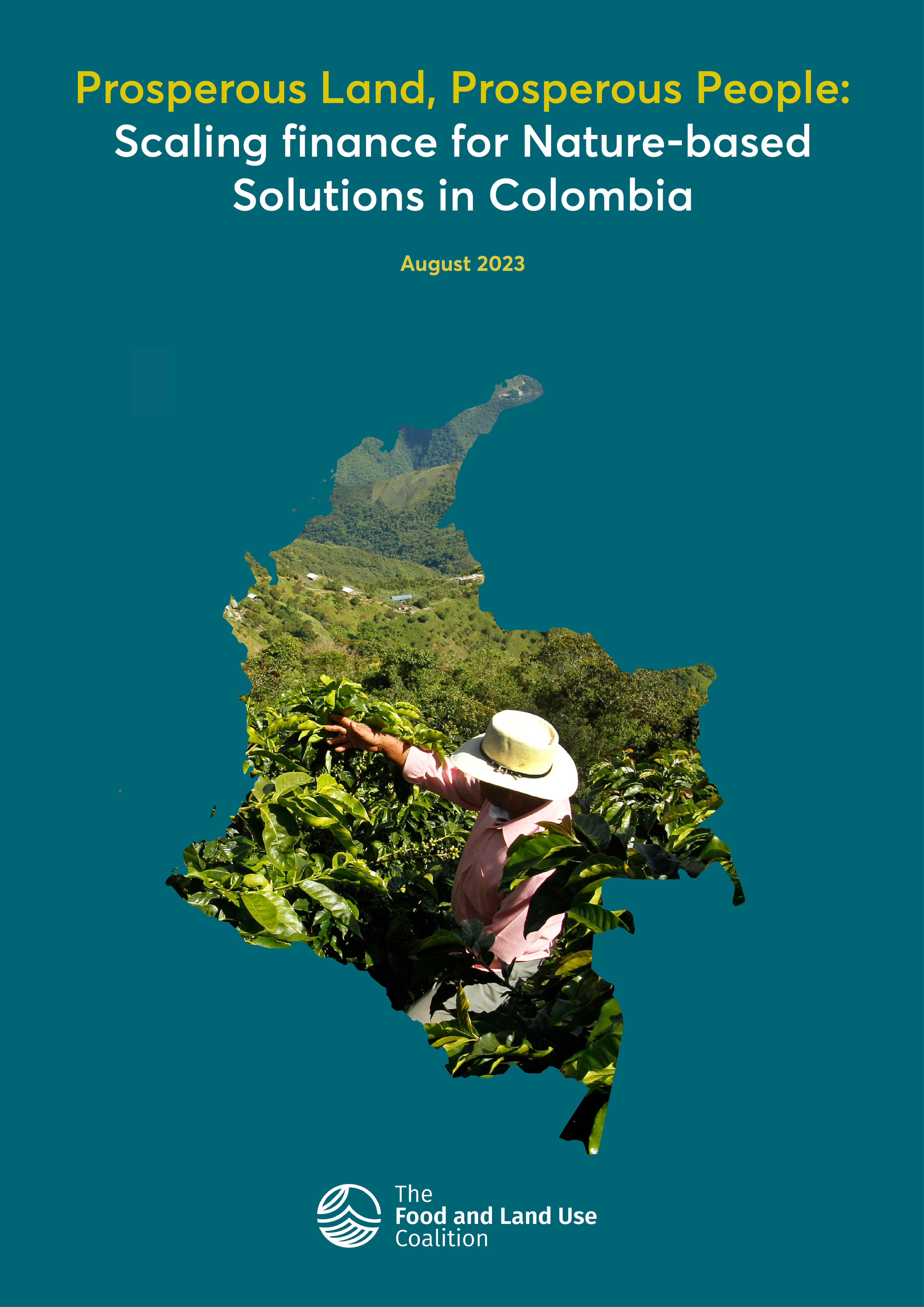
Colombia is the world’s second-most biodiverse country and home to an immense variety of landscapes, climates, soil types and foods. Yet the country suffers from increasing deforestation and erosion rates. At the same time, productivity levels among farmers and forestry workers are the lowest among all national industries. Still, agriculture accounts for over 6 percent of GDP and nearly 20 percent of the country’s exports – with coffee, bananas, flowers and sugarcane being the top commodities.
Approximately one-third of all food intended for human consumption in Colombia is lost or wasted between farm and fork each year. This means nearly $5.4 billion in economic losses, at a time when more than half of Colombian households cannot afford, or lack the knowledge needed to live a healthy and active life.
With these compounding challenges in a place full of opportunities, transforming food and land use systems is both urgent and possible.
FOLU activity in Colombia
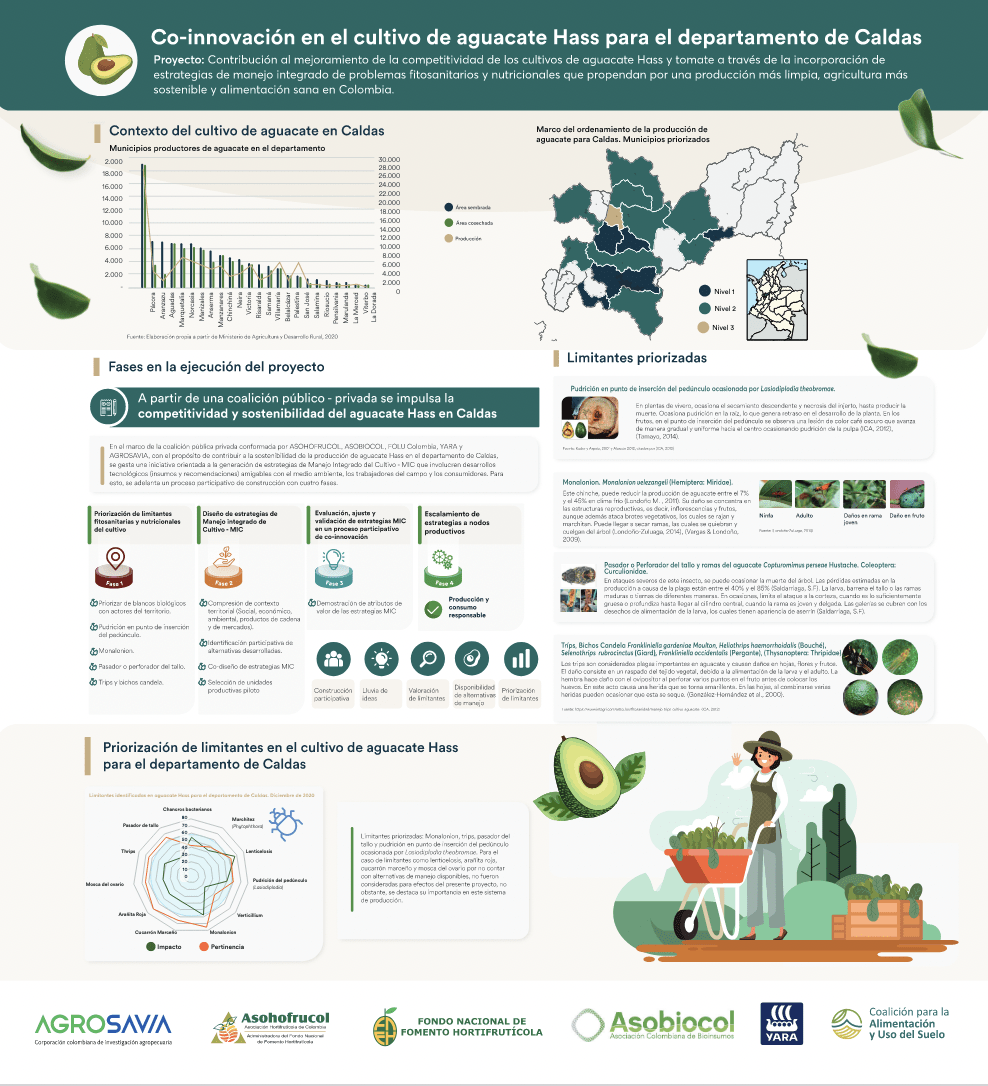
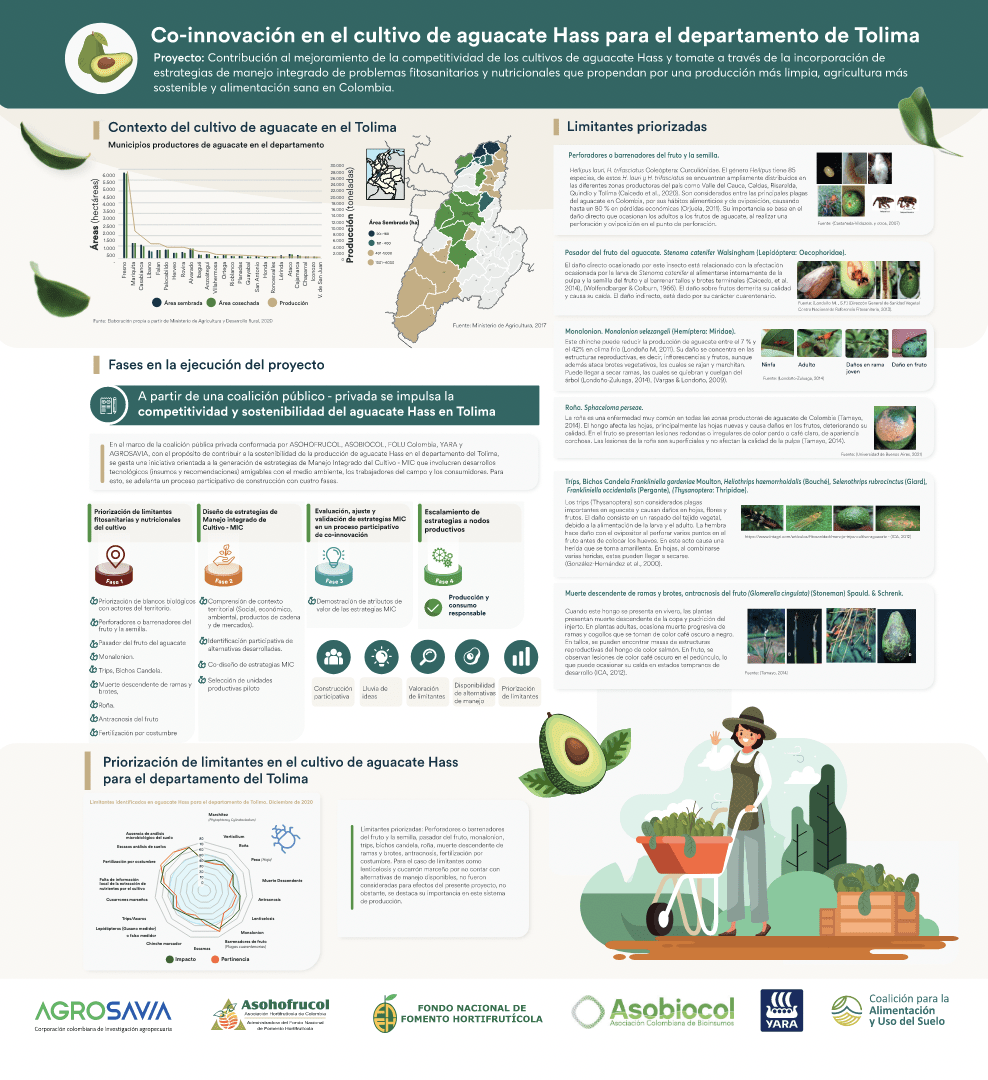
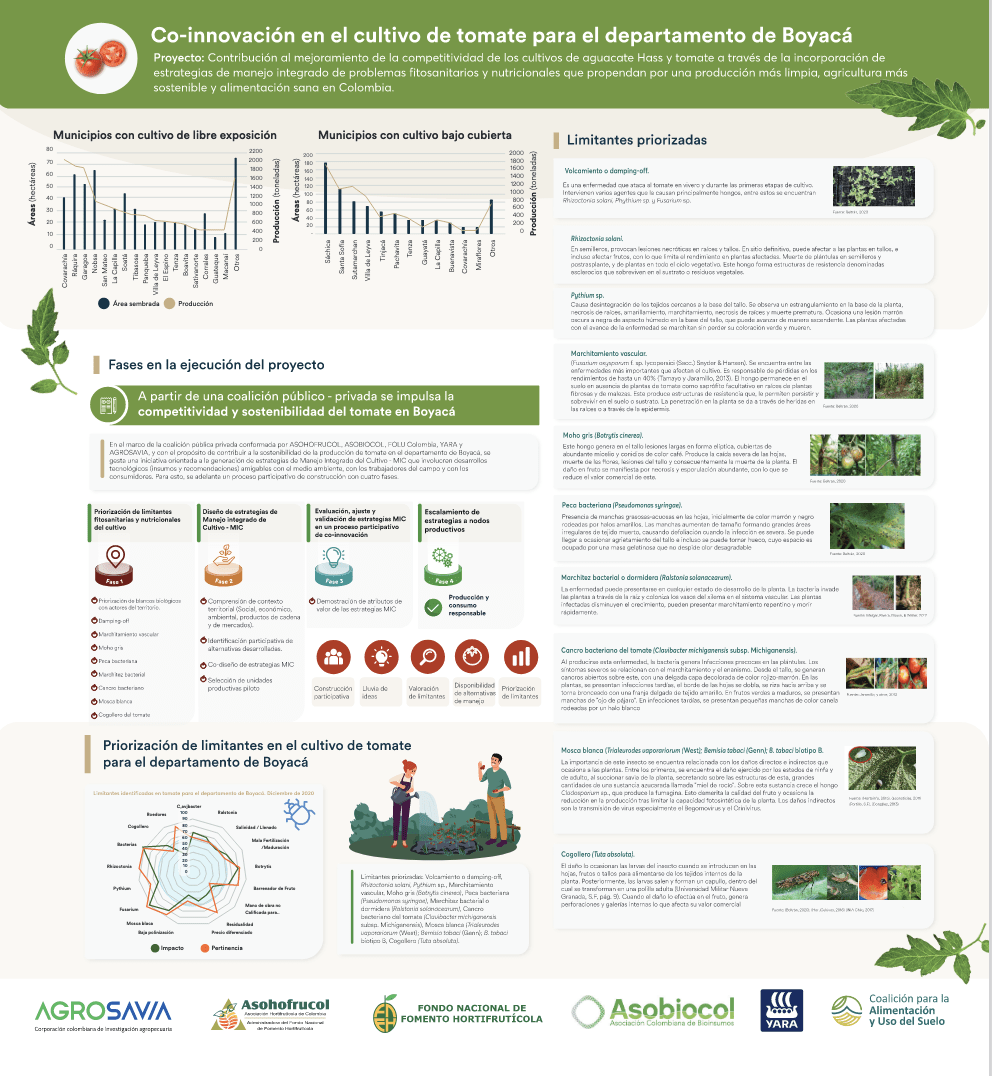
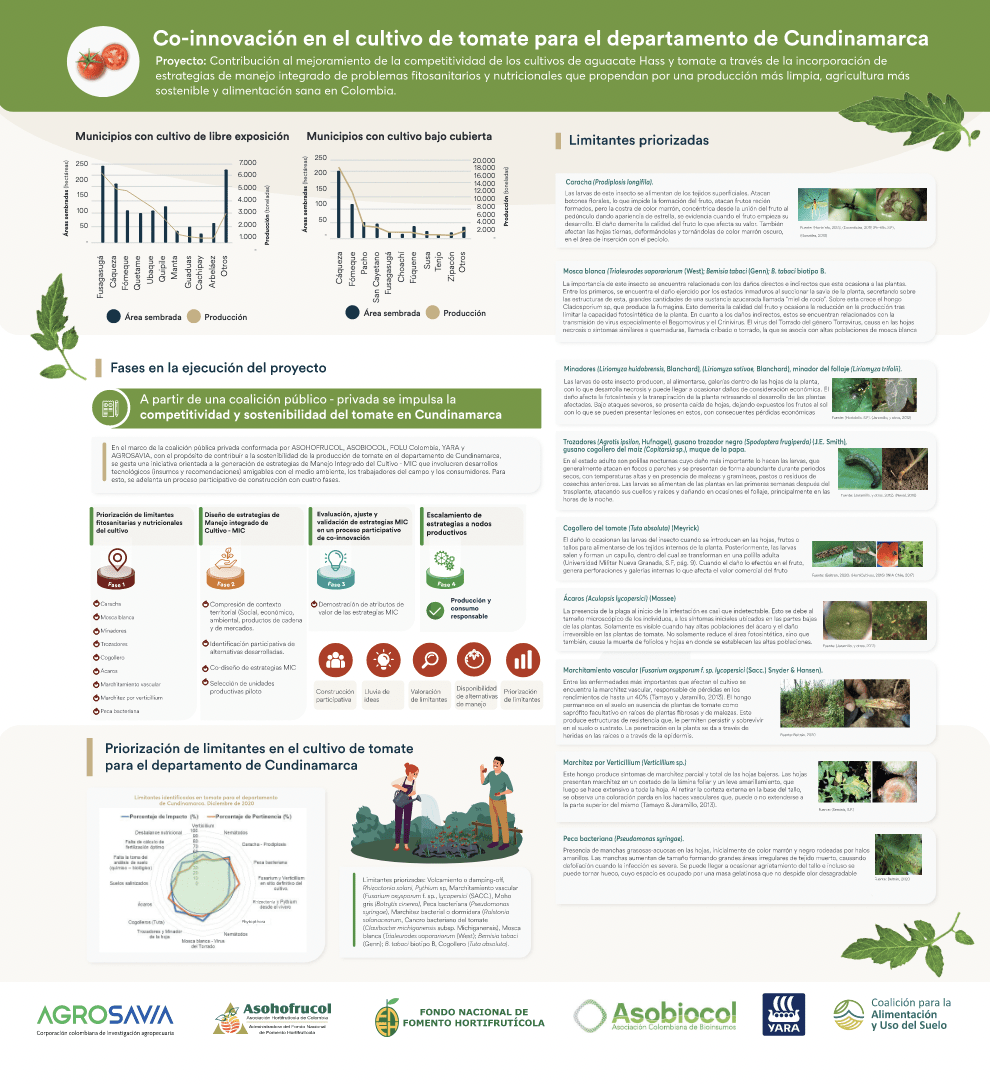
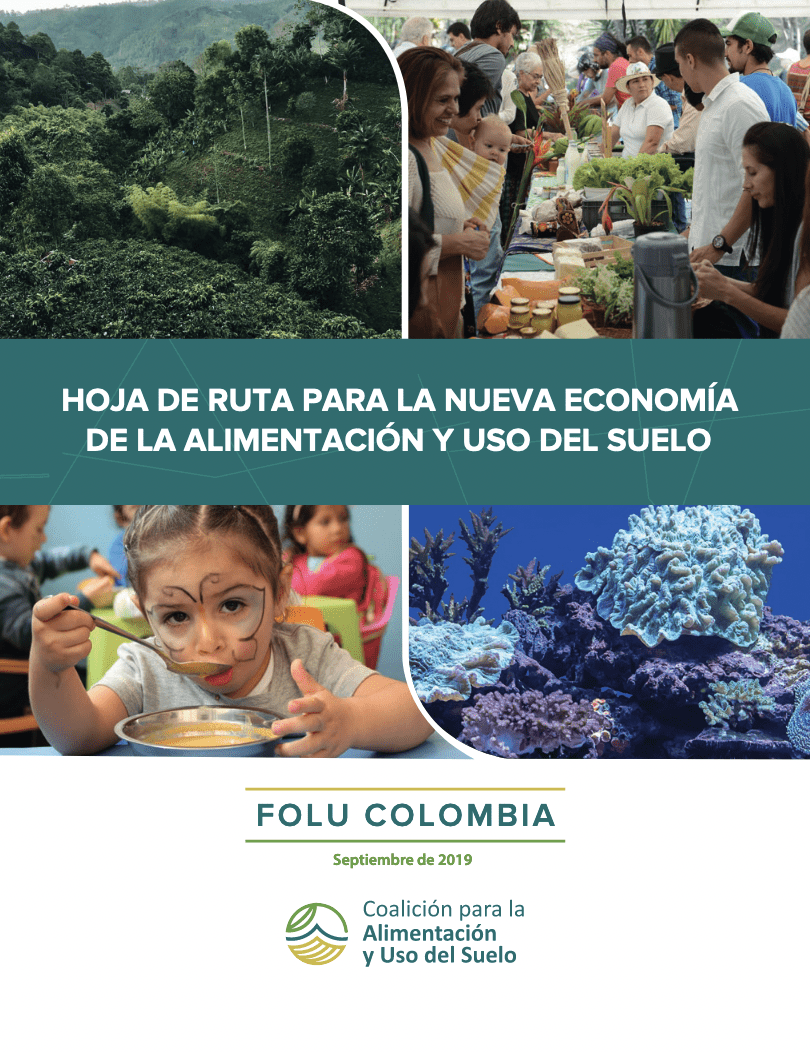
FOLU Colombia is a vibrant platform, comprising over 200 actors from national and local government, businesses, international organizations, farmers, academia and civil society. Working closely with five Colombian Ministries: Health, Environment, Agriculture, Industry and National Planning, FOLU helps drive initiatives and policies that benefit both people and planet.
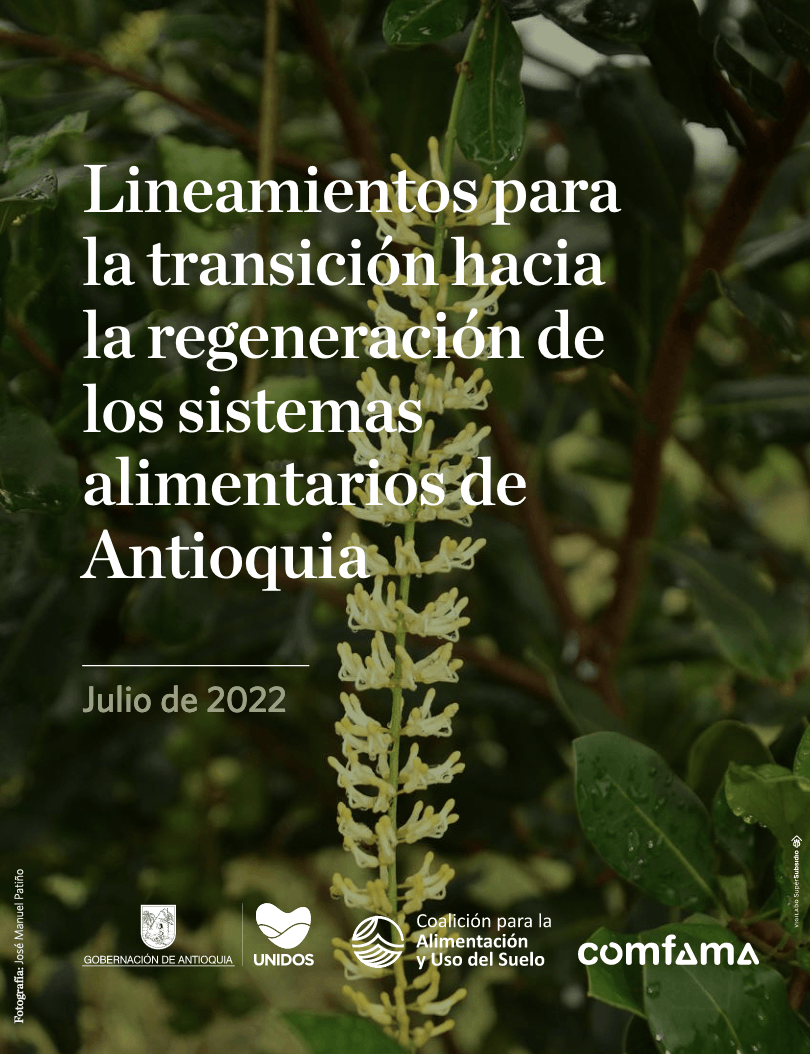
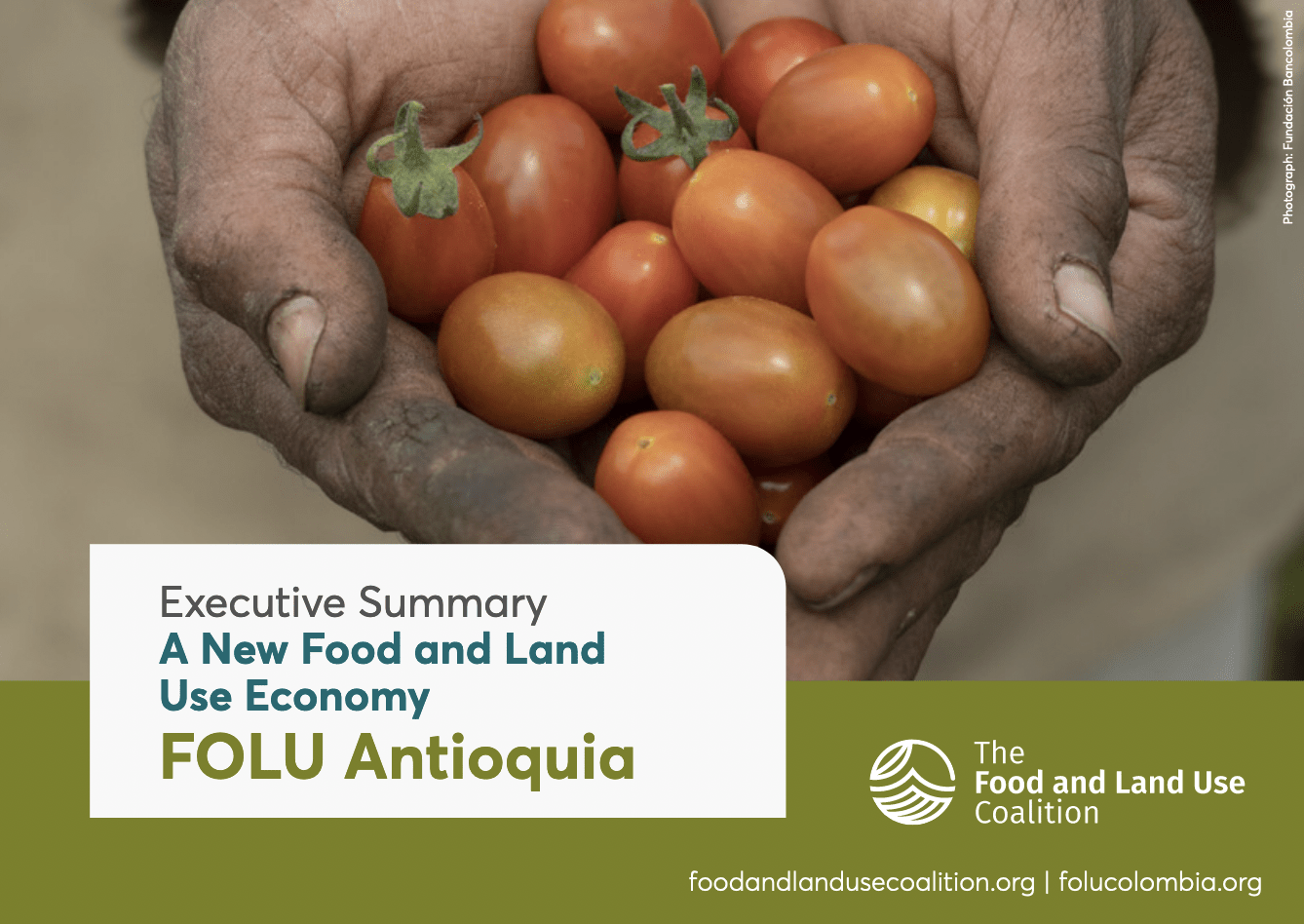
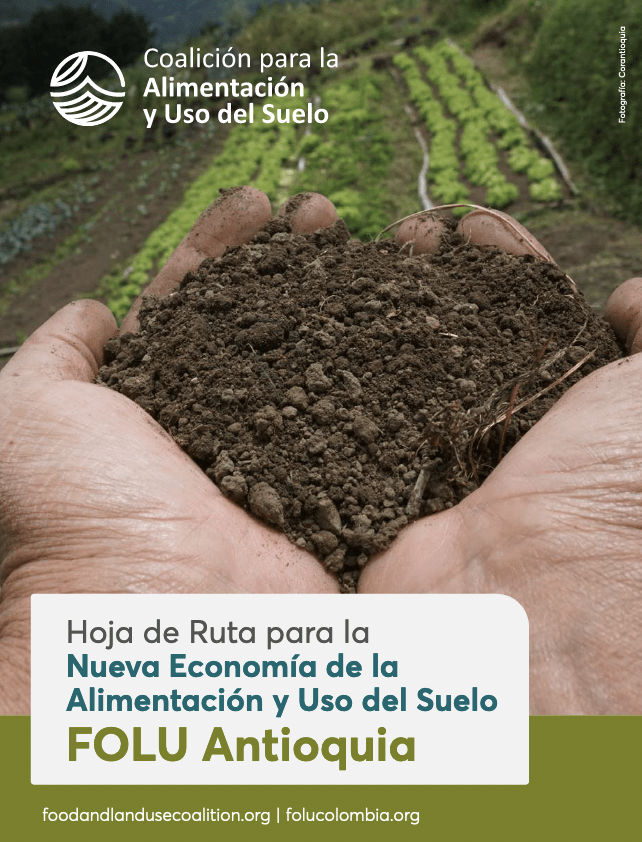
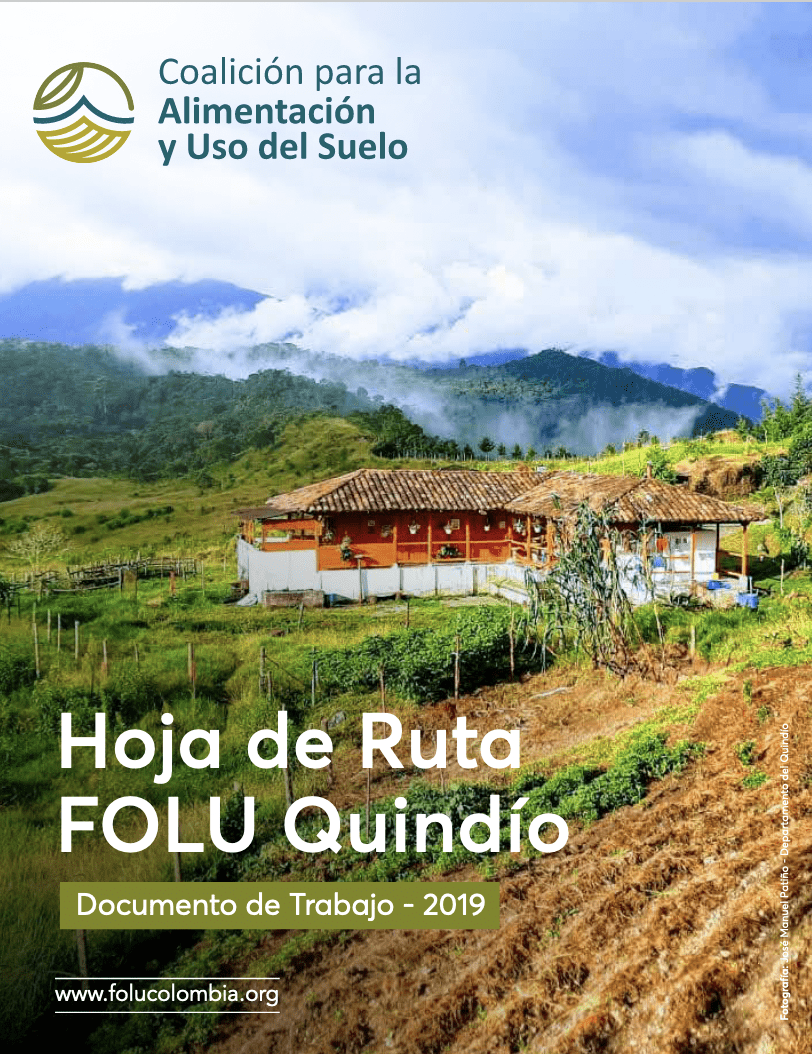
Building on the success of the national roadmap, a New Food and Land Use Economy for Colombia, the team is now zooming in on actions that need to take place at a territorial level. Coalitions and roadmaps have been developed for the western departments of Quindío and Antioquia.
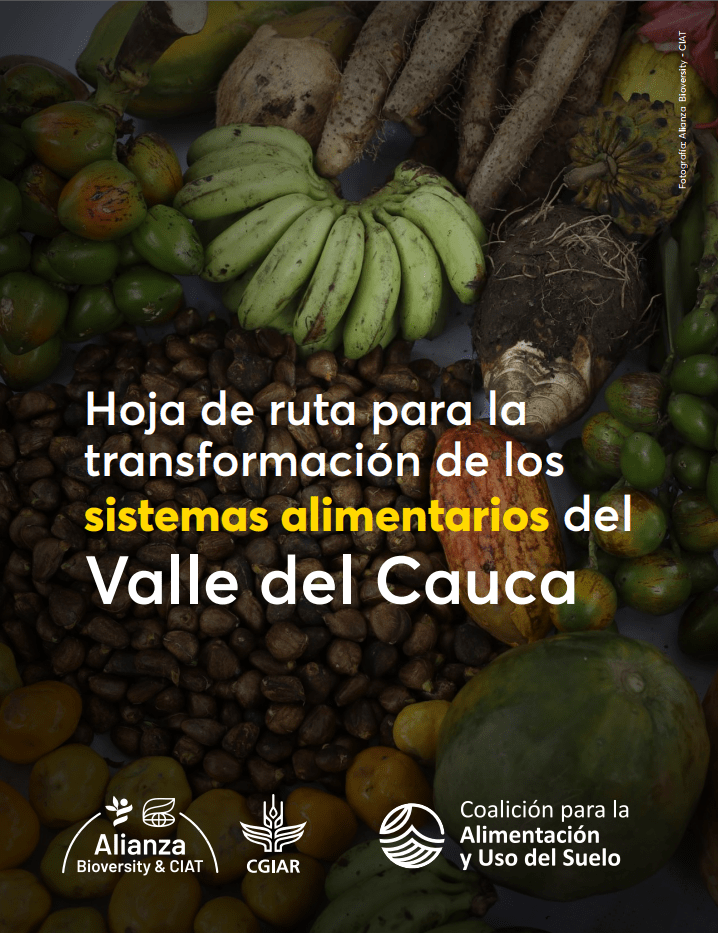
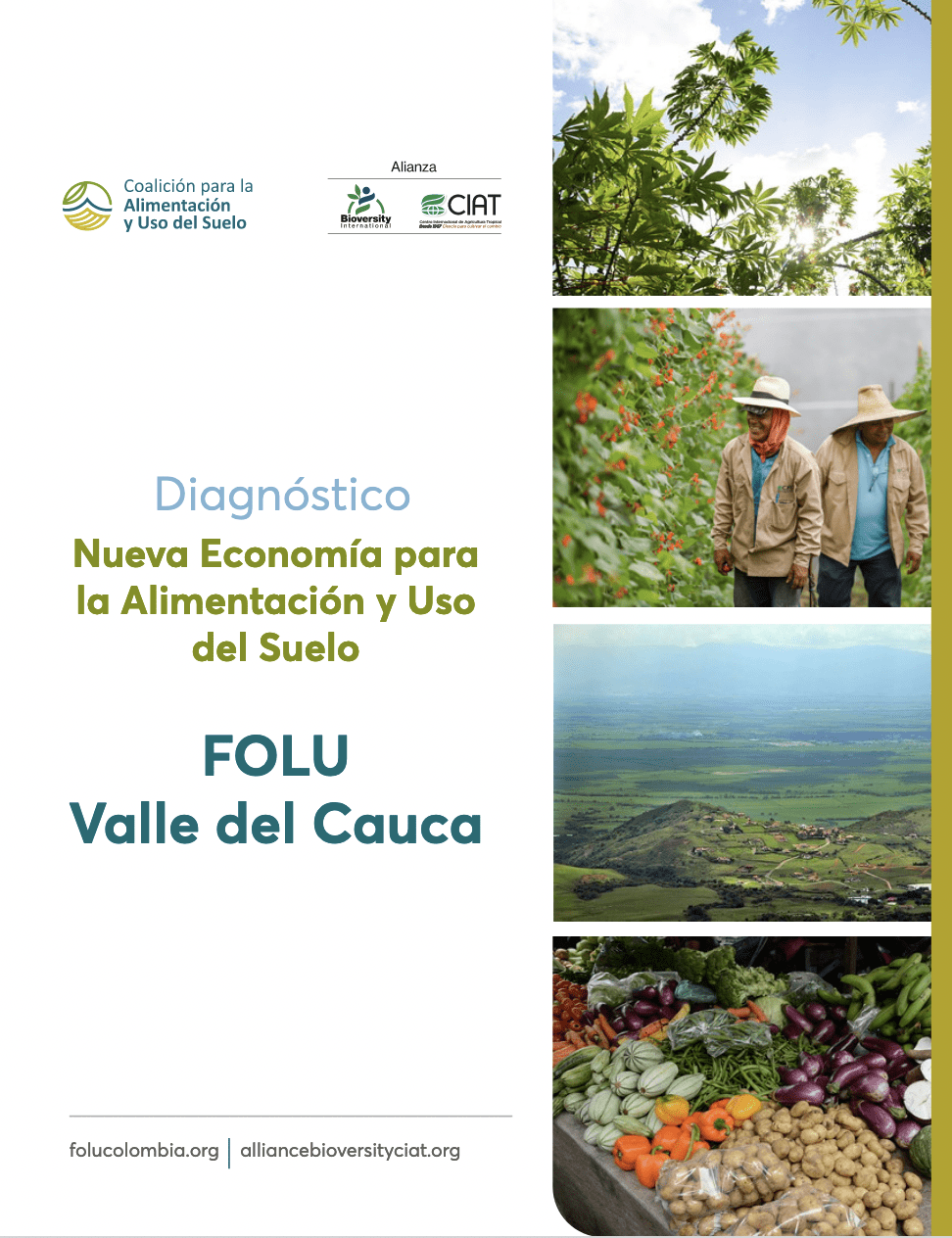
More recently, the team has been developing a roadmap for Valle del Cauca, a department that has traditionally focused on only a few agricultural products and has experienced the challenges of limited supply.
FOLU Colombia is currently building a network of actors working on regenerative agriculture projects across all three departments. A digital e-learning tool will be launched to serve as a one-stop-shop for courses, videos, blogs and tools on the topic, and support those in the space to exchange their learnings, best practices and innovations.
Events in Colombia
Latest news from Colombia
FOLU Colombia launches a new agroforestry course at the Medellín Chamber of Commerce in Antioquia.