FOLU India is helping build a US$500 million investment opportunity in nature-based solutions by 2030 —aimed at cutting emissions while boosting farmer incomes and strengthening rural economies
Background & context
India is now the world’s fourth largest economy, powered by rapid growth in services and industry. Yet the country’s future prosperity still depends heavily on its land and its farmers. Agriculture remains a primary source of livelihoods, even as small and marginal farmers face low incomes, rising input costs and growing climate risks. At the same time, India must secure food for a growing population and build resilience in its agriculture and land use systems.
A recent Indian Council of Agricultural Research study found that 90% of Indian districts face medium to very high climate risk, with 19% categorised as “very high risk”. This underscores the vulnerability of agriculture dependent communities and the urgency of investing in adaptation and resilience. India’s land sector currently acts as a net greenhouse gas sink, highlighting its strategic importance for both livelihoods and climate goals.
Turning Nature-based solutions into an investment pathway
The Food and Land Use Coalition (FOLU) India set out to demonstrate that land based climate action can be an investment opportunity rather than a cost. Through the Nature-based Solutions for Climate Mitigation and Adaptation (NCMA) project, FOLU India and partners, including Systemiq, worked with government, civil society and private actors to build a credible investment case for nature-based solutions (NbS).
A multisector Technical Steering Committee – comprising policymakers, scientists, civil society leaders and private sector representatives – guided the process. Together, they refined methodologies, identified financing gaps and ensured alignment with national priorities. FOLU India developed India specific investment models that map climate mitigation potential across the land sector and pinpoint where capital is most urgently needed. This included analysis of financing mechanisms, investor mapping, and ways to embed NbS into government budgets and corporate ESG strategies.
Why this matters for people on the ground
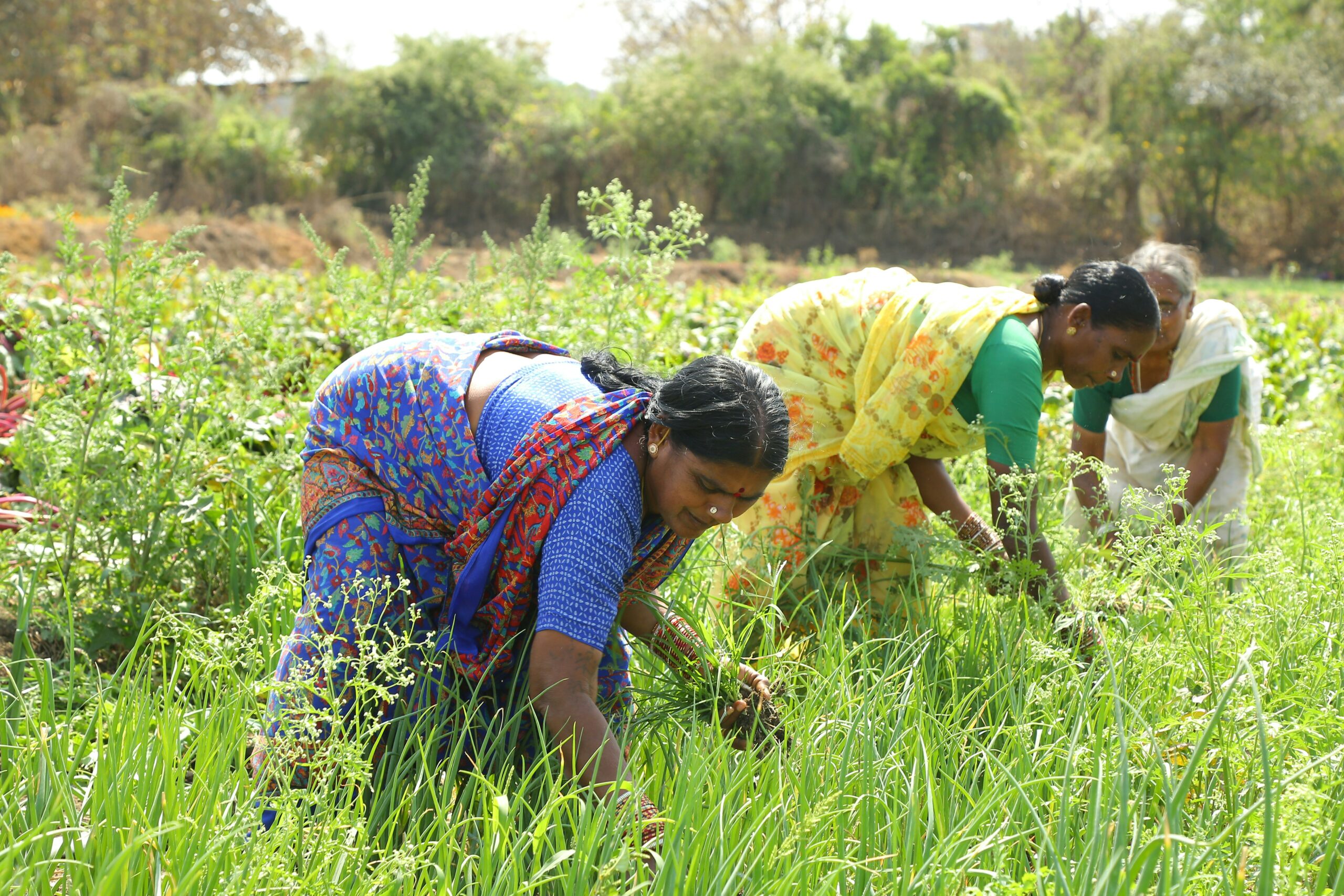
While NCMA is a finance focused initiative, its implications are deeply human. In India, most farmers are small and marginal, and among those most exposed to climate shocks. The NbS pathway outlined here supports:
- more stable and diversified farm incomes
- reduced dependence on chemical and water intensive practices
- healthier soils and more resilient cropping systems
- stronger, climate resilient rural economies
In other words, climate mitigation investments become a vehicle for adaptation and resilience, directly benefiting the communities who rely on land for their livelihoods.
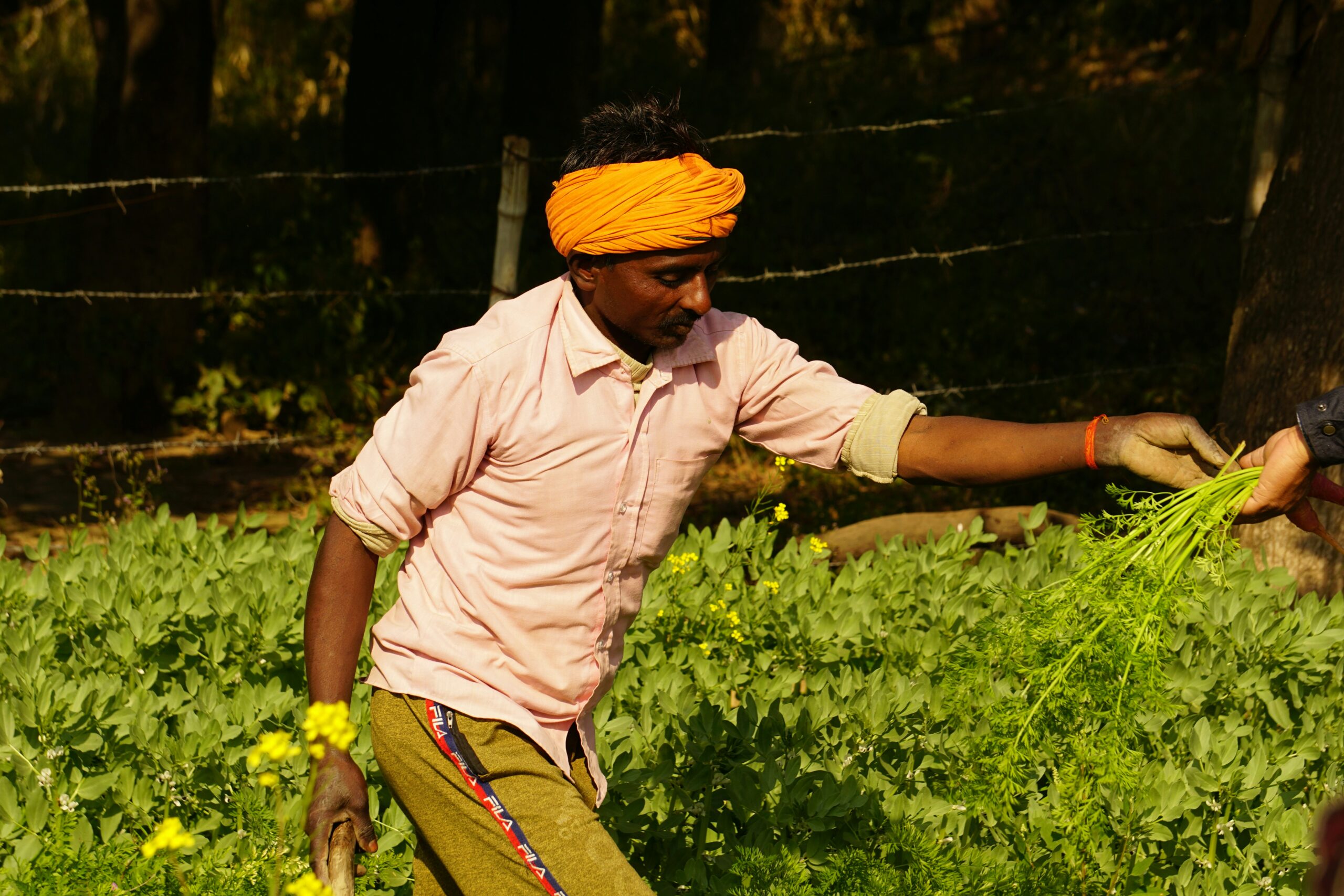
Photo by Shruti Singh on Unsplash
What the numbers show
The analysis reveals that India’s land sector holds around 16 GtCO₂e of mitigation potential over 25 years. Six NbS – rice management, soil carbon sequestration, biochar, agroforestry, afforestation and reforestation, and nutrient management – could deliver 90% of this potential. Five of these are sustainable agriculture practices that also strengthen adaptation and resilience for farmers.
Some measures, such as nutrient management and improved soil carbon, pay for themselves immediately through higher productivity or reduced input costs. Others, like biochar and agroforestry, require upfront investment but can generate up to ninefold returns by 2050.
The investment case is compelling:
01
An average annual investment of US$5 billion could unlock US$45 billion in returns, excluding payments for ecosystem services.
02
By 2035, India could achieve 3.9 Gt of mitigation at an average cost of about US$9.50 per tonne, below many global benchmarks.
03
Redirecting just 10% of India’s annual agricultural development budget could catalyse this transition and crowd in private capital.
What’s Next: The opportunity for Indian & global leadership
The evidence is clear: land-based NbS in India are investment grade opportunities that can deliver for farmers, businesses and the climate at the same time. For government, this means redirecting public finance, creating blended finance mechanisms, and piloting models that attract private capital towards climate mitigation and adaptation. For India’s rapidly growing private sector, it offers a way to invest in offsetting scope 1, 2 and 3 emissions while supporting national development and resilience goals.
States such as Kerala and Madhya Pradesh are already moving, with projects on eco restoration and carbon farming poised to show what this looks like in practice. As India prepares for future roles in BRICS (Brazil, Russia, India, China, and South Africa) and potentially hosting COP33, it has a unique opportunity to lead the Global South in demonstrating how land-based climate action can bridge the longstanding divide between climate mitigation and adaptation.
What is needed now is bold, coordinated investment to turn this opportunity into tangible impact for people, nature and climate across India’s landscapes.




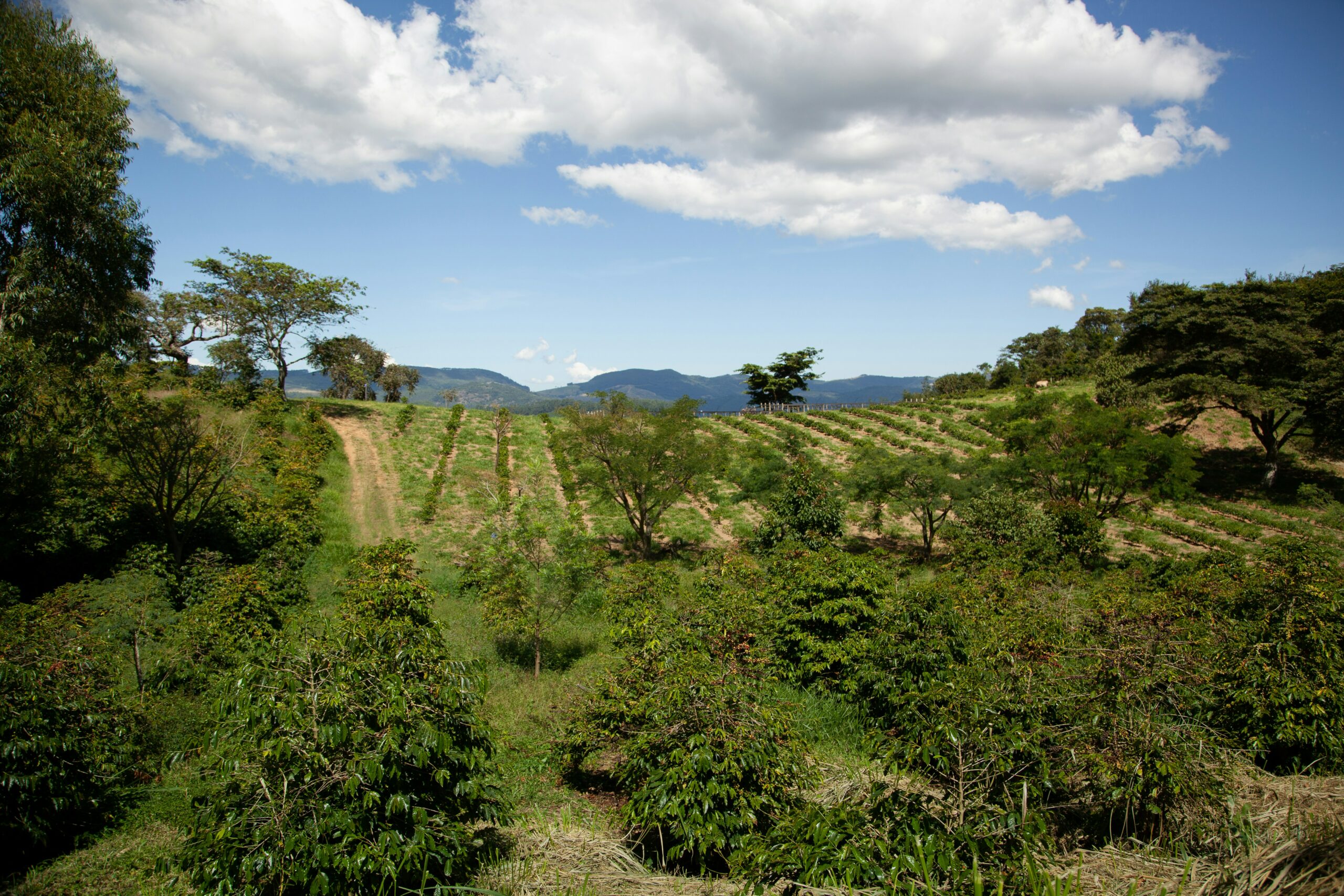
 Finance, Restoration
 Brazil