For Luz, every plate is a story — one that reconnects diners with the people, traditions, and ecosystems behind their food.
Across Colombia, a powerful transformation is taking place in kitchens, restaurants, fields, and homes. Sabores Bio, a new platform created by FOLU Colombia and partners, is redefining how Colombians grow, cook, and enjoy food. Showing that what we choose to eat can regenerate landscapes, strengthen communities, and celebrate the country’s extraordinary biodiversity.
A country of abundance
Although estimates suggest that up to 30,000 plant species are edible for humans, more than 60% of global crop production consists of just nine crops – sugarcane, maize, rice, wheat, potatoes, soybeans, oil palm fruit, sugar beet and cassava.
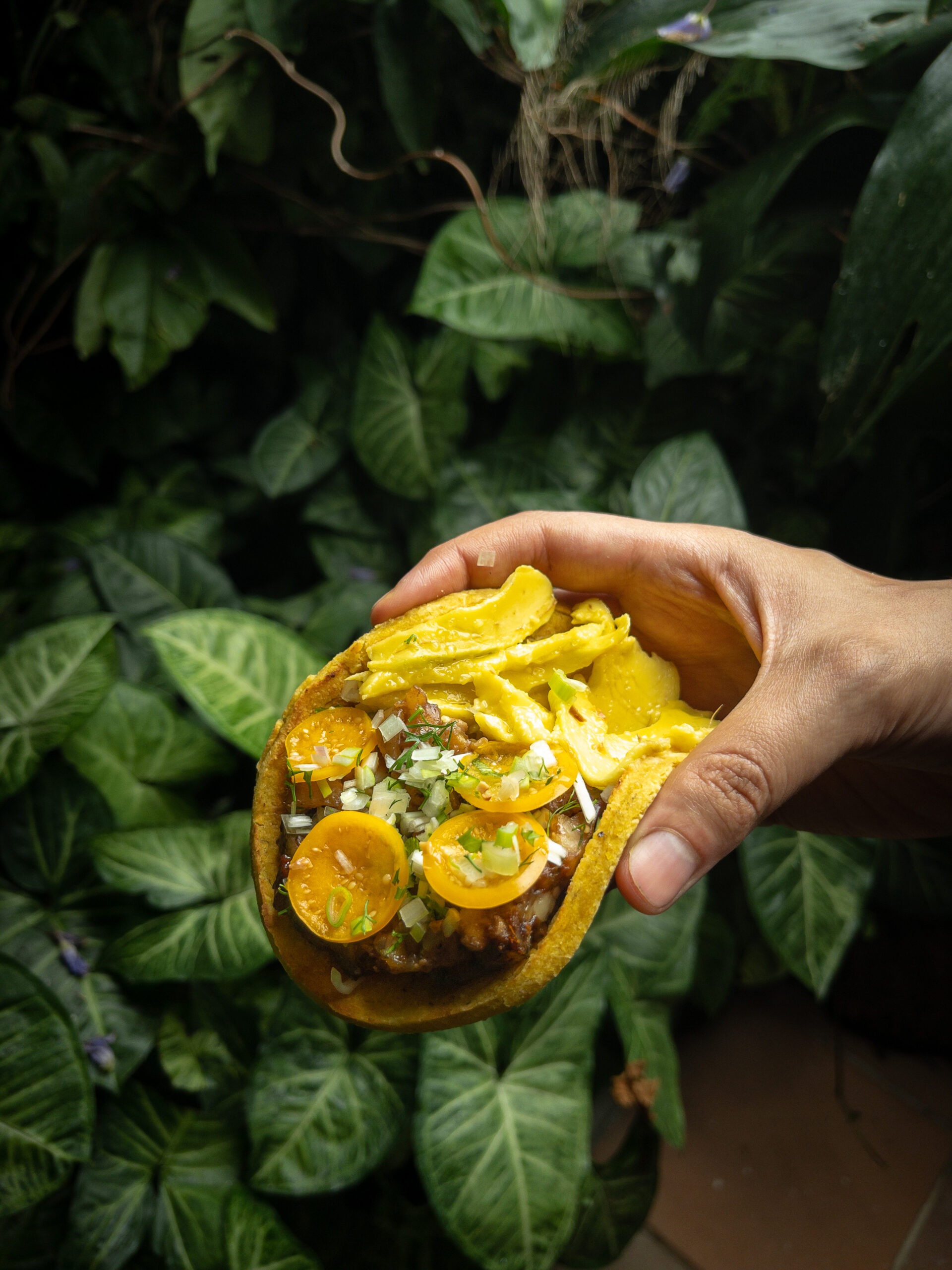
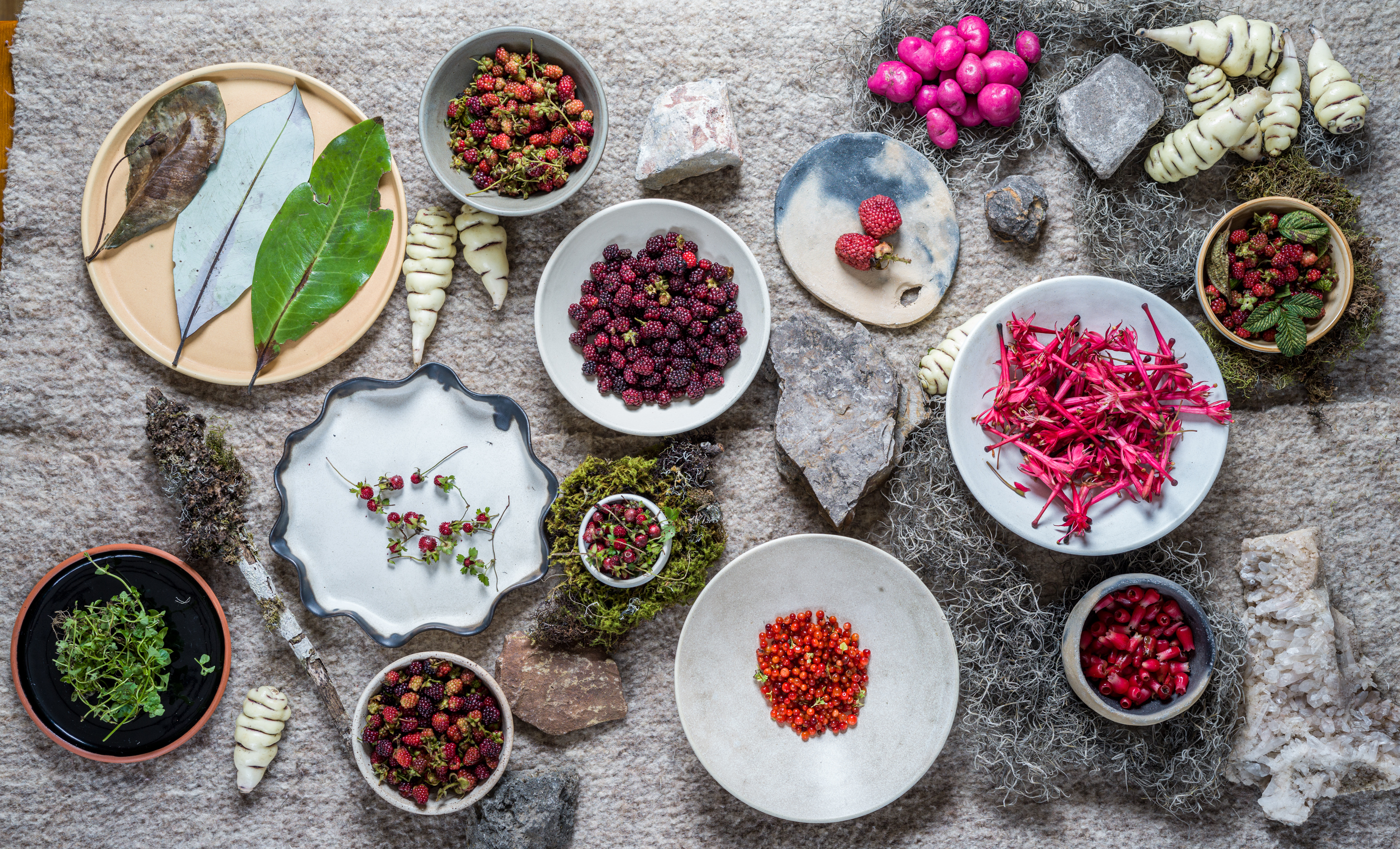
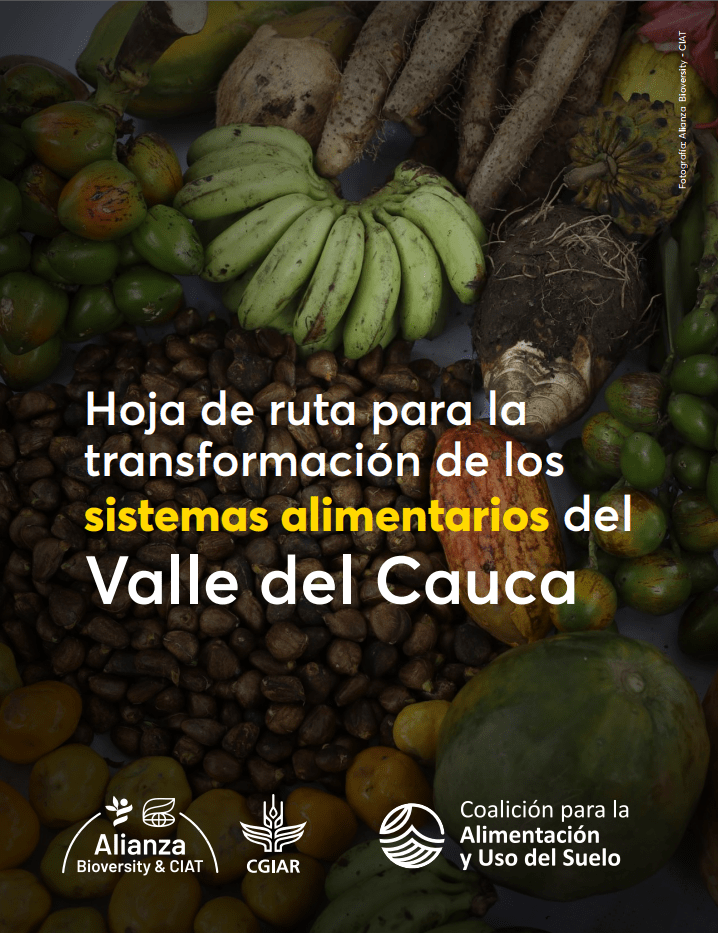
As the world’s second most biodiverse country, Colombia is home to thousands of native species, food traditions, and farming systems shaped by its diverse territories — from Andean potatoes to Amazonian fruits and coastal tubers.
Yet much of this richness remains invisible in everyday diets. Sabores Bio was born to bridge this gap: to bring Colombia’s biodiversity back to the table and promote a food system that is diverse, nutritious, regenerative, culturally rooted, secure and resilient.
How FOLU Colombia helped spark a movement
Recognising that restaurants are powerful agents of change, the FOLU Colombia platform, together with E3 – Ecology, Economy and Ethics, created Sabores Bio as a practical tool for food systems transformation.
Here’s what happened:
- FOLU conducted a nationwide mapping of restaurants across Bogotá, Medellín, Cali, and Quindío.
- Restaurants underwent a validation process, demonstrating their commitment to responsible sourcing, biodiversity protection, waste reduction, and efficient resource use.
- Strategic partners ensured scientific, cultural, and technical rigour:
- WWF provided expertise in food loss and waste.
- The Alexander von Humboldt Institute grounded the criteria in biodiversity science.
- Slow Food strengthened links with small producers and local markets.
- The Ministry of Culture embedded gastronomy within Colombia’s cultural identity.
Together, these partners helped build a platform that is credible, inclusive, and transformative.
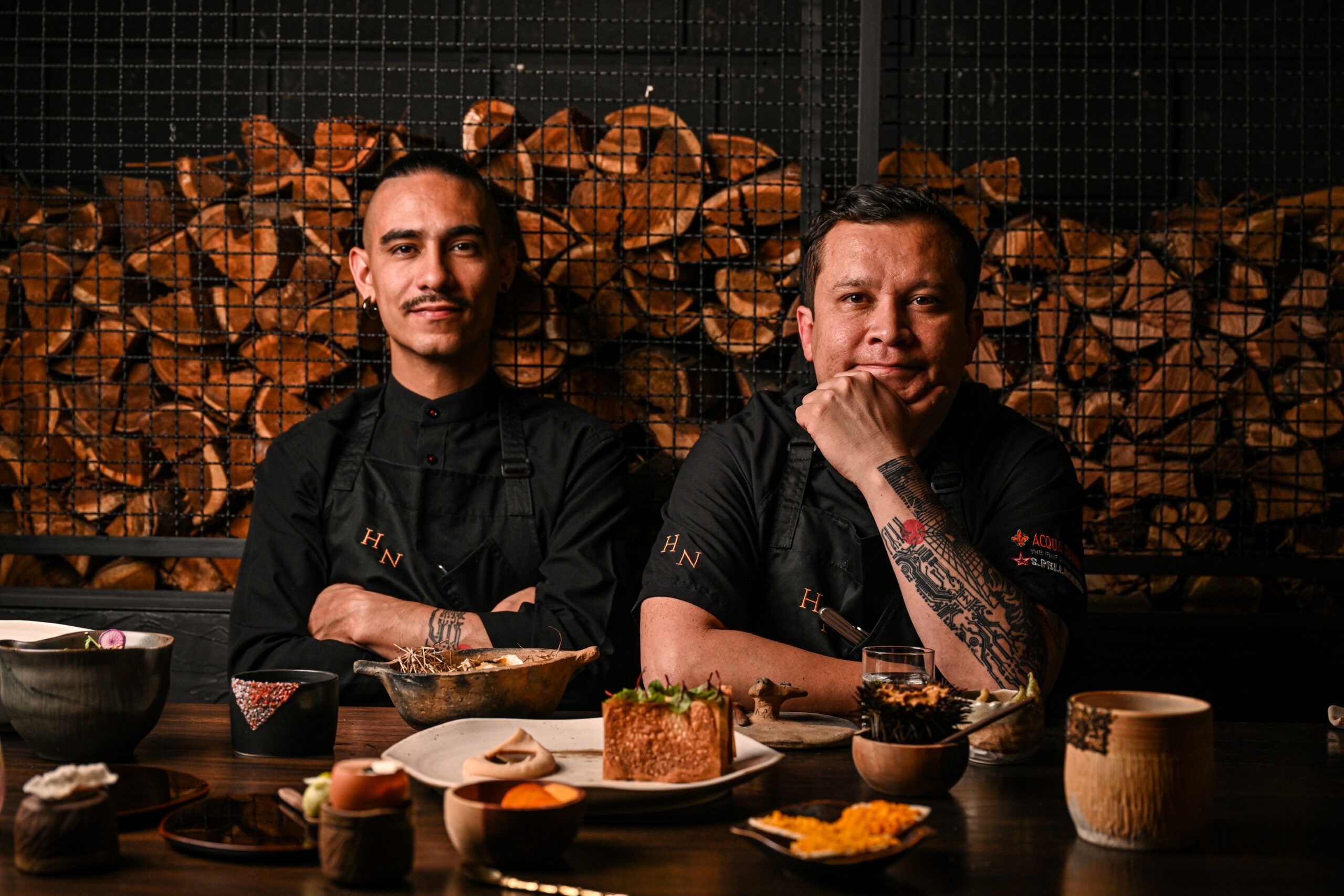
 When I became a mother, I began to think about what I was cooking for my son — about the origin and contaminants of the food. Being part of Sabores Bio has allowed us to contribute to new structures in the restaurant sector, where we are committed to a different type of agriculture and raising awareness.
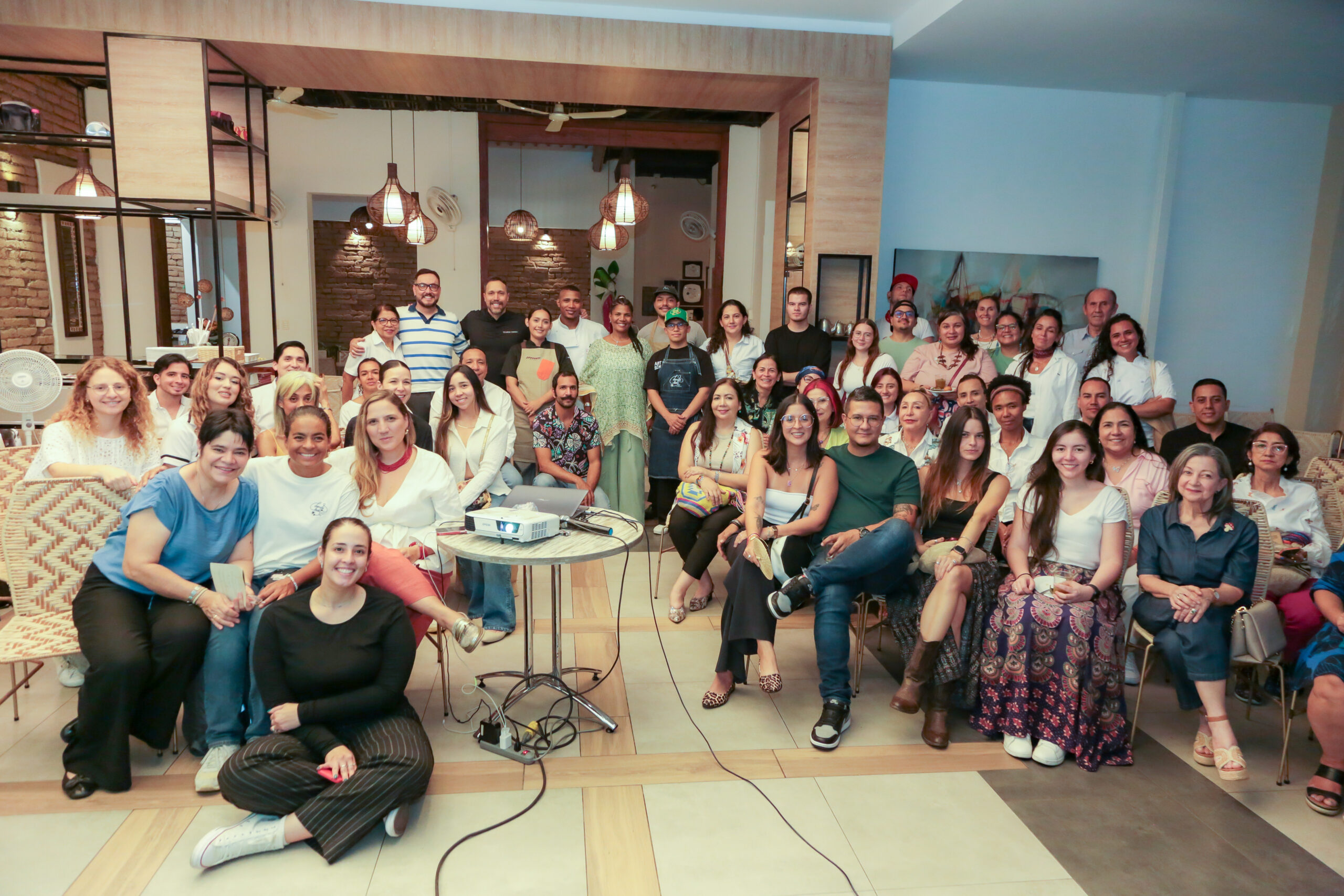
Photo Credits: FOLU Colombia
What Changed: A growing network of kitchens with purpose
For many chefs and entrepreneurs, Sabores Bio has reaffirmed a long-held belief: that food is deeply connected to identity, memory, and responsibility.
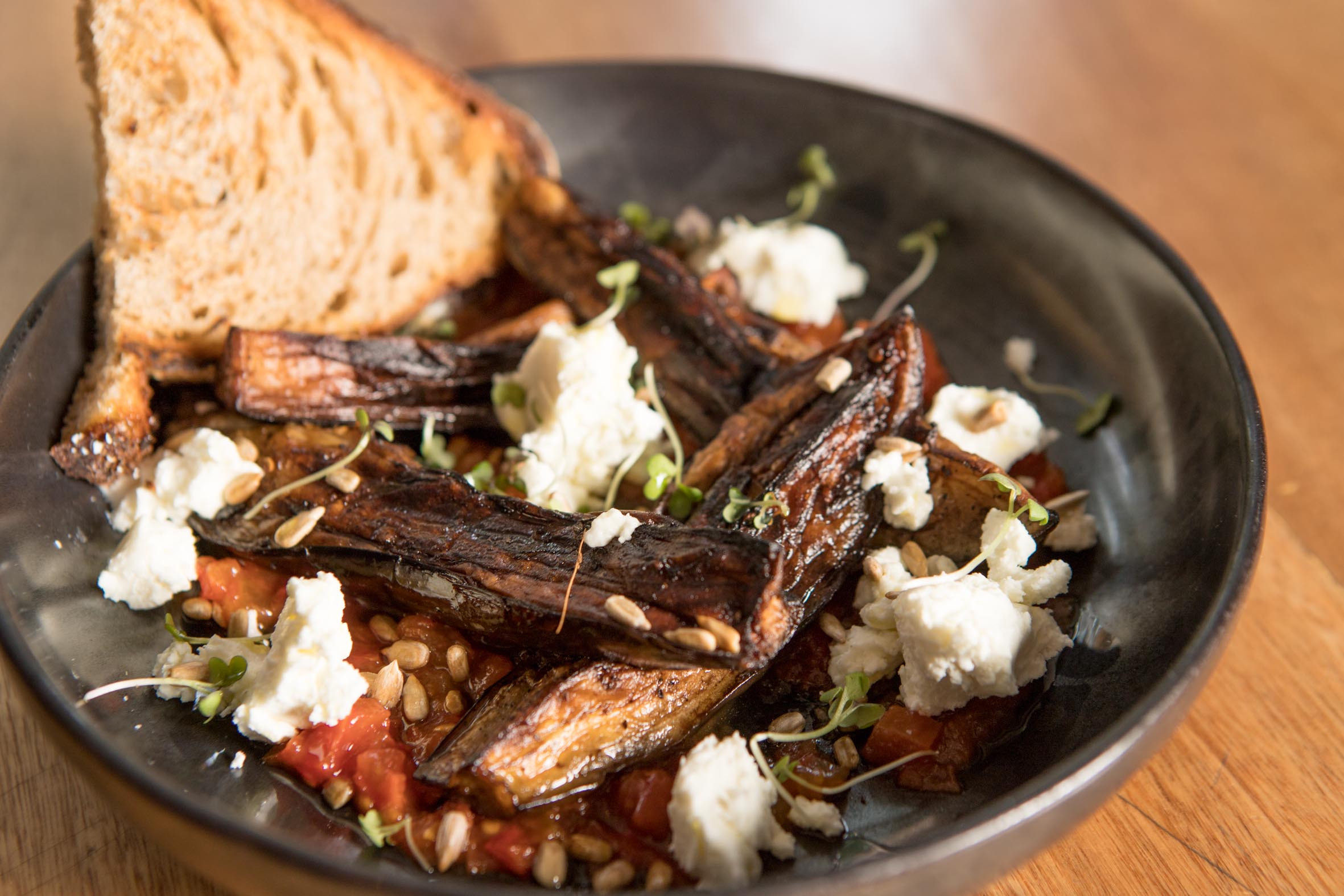
Luz Diana Acevedo Álvarez, founder of EcoAstilleros, describes how personal this journey is and her restaurant sources ingredients from agroecological farmers who avoid agrochemicals and honour the rhythms of their territories.
In less than two years, more than 40 restaurants have joined Sabores Bio — each committed to cooking in ways that regenerate ecosystems, empower producers and nourish people. These restaurants are now champions of four core criteria:
- Responsible sourcing: Connecting kitchens directly with small-scale producers, ensuring fair prices and supporting regenerative practices.
- Healthy and diverse cuisines: Celebrating native ingredients and culinary traditions tied to Colombia’s diverse territories.
- Efficient use of resources: Using energy, water, and materials more sustainably inside the kitchen.
- Food loss and waste reduction: Ensuring each ingredient is used to its fullest potential.
The impact extends far beyond the restaurants themselves. Consumers play a critical role in shaping food demand and are therefore key drivers of change. Through their choices, they influence what is offered across the food system. This includes not only restaurant diners, but also the broader public, whose preferences and behaviors can help shift consumption patterns toward more sustainable and diverse food options.
Impact at a glance
01
More than 40 restaurants have joined Sabores Bio — each committed to cooking in ways that regenerate ecosystems, empower producers and nourish people.
02
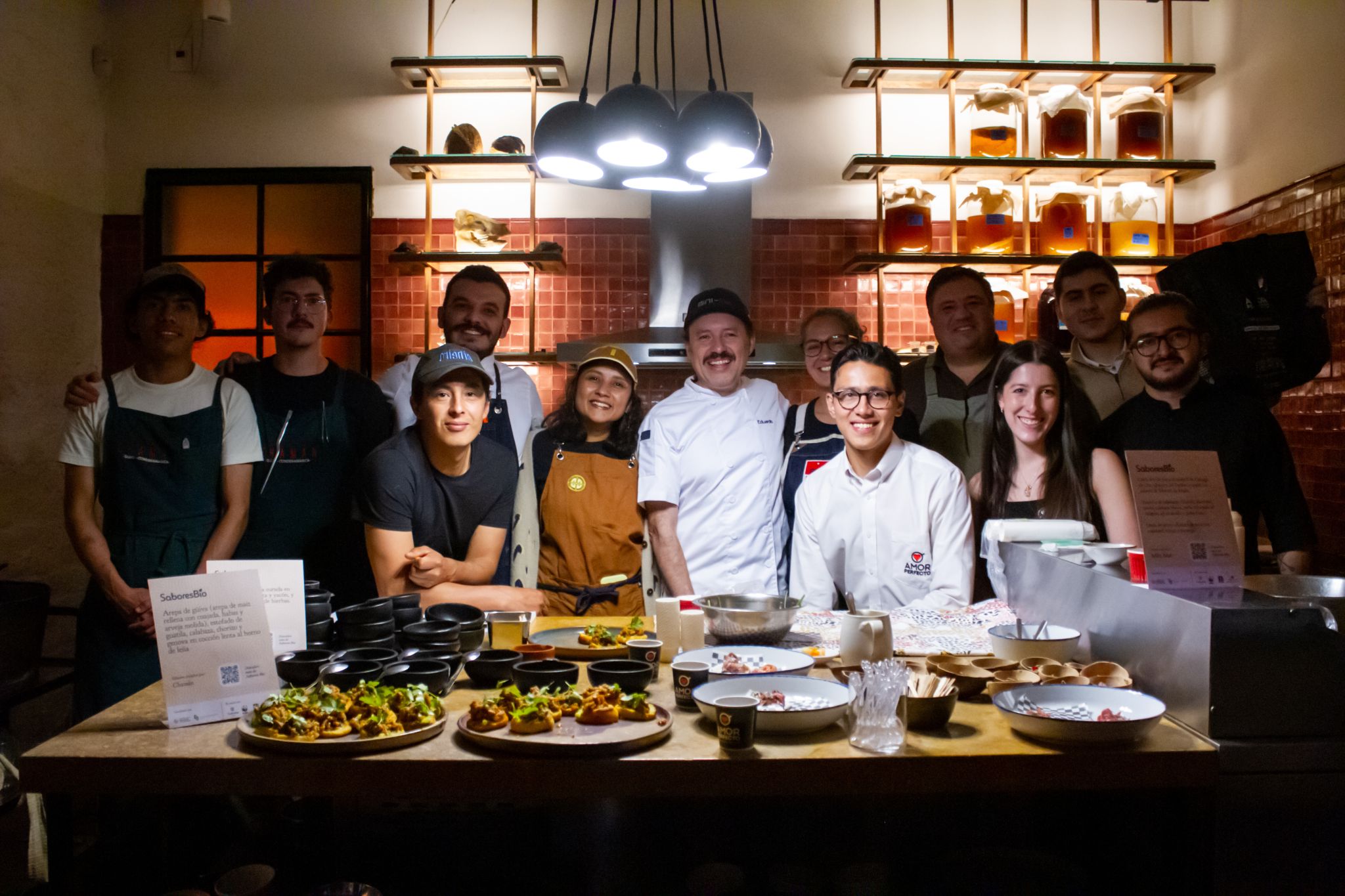
Three launch events — in Cali, Medellín, and Bogotá — brought together over 200 allies, journalists, chefs and suppliers amplifying momentum nationwide.
03
Sabores Bio received more than 50 requests for participation including inquiries from Colombian municipalities, as well as interest from consumers, academics, suppliers, and journalists—both from Colombia and from other countries such as Argentina, Canada, and Germany.
Why this matters and what’s next?
Sabores Bio sits at the heart of FOLU’s mission to transform food systems. It shows that behaviour change — when paired with credible standards, creative storytelling, and strong partnerships — can accelerate progress across multiple transitions:
- healthier and more diverse diets.
- regenerative production.
- reduced waste.
- stronger, more resilient local economies.
By shaping demand and making sustainable choices desirable and accessible, Sabores Bio helps build a resilient future where food nourishes people, culture, and nature alike.
Since 2024, FOLU Colombia and partners have been strengthening the network and preparing for continued expansion. After successful launches in 2025 across three major cities, the next stop is Quindío, with many more regions expressing interest. The momentum is only growing — and Sabores Bio is becoming a model that others are watching closely.




 Finance, Restoration
 Brazil