In Ana Sora Woreda, Ethiopia, a new approach to scaling regenerative agriculture is taking root. By combining government platforms, farmer-led innovation and targeted support from FOLU Ethiopia, partners are showing how integrated practices can move beyond isolated pilots to reach entire landscapes.
The Green Field Day offers a glimpse of how this approach works in practice, bringing together farmers, extension systems and local leaders to share, adapt and scale what works.
Background & context
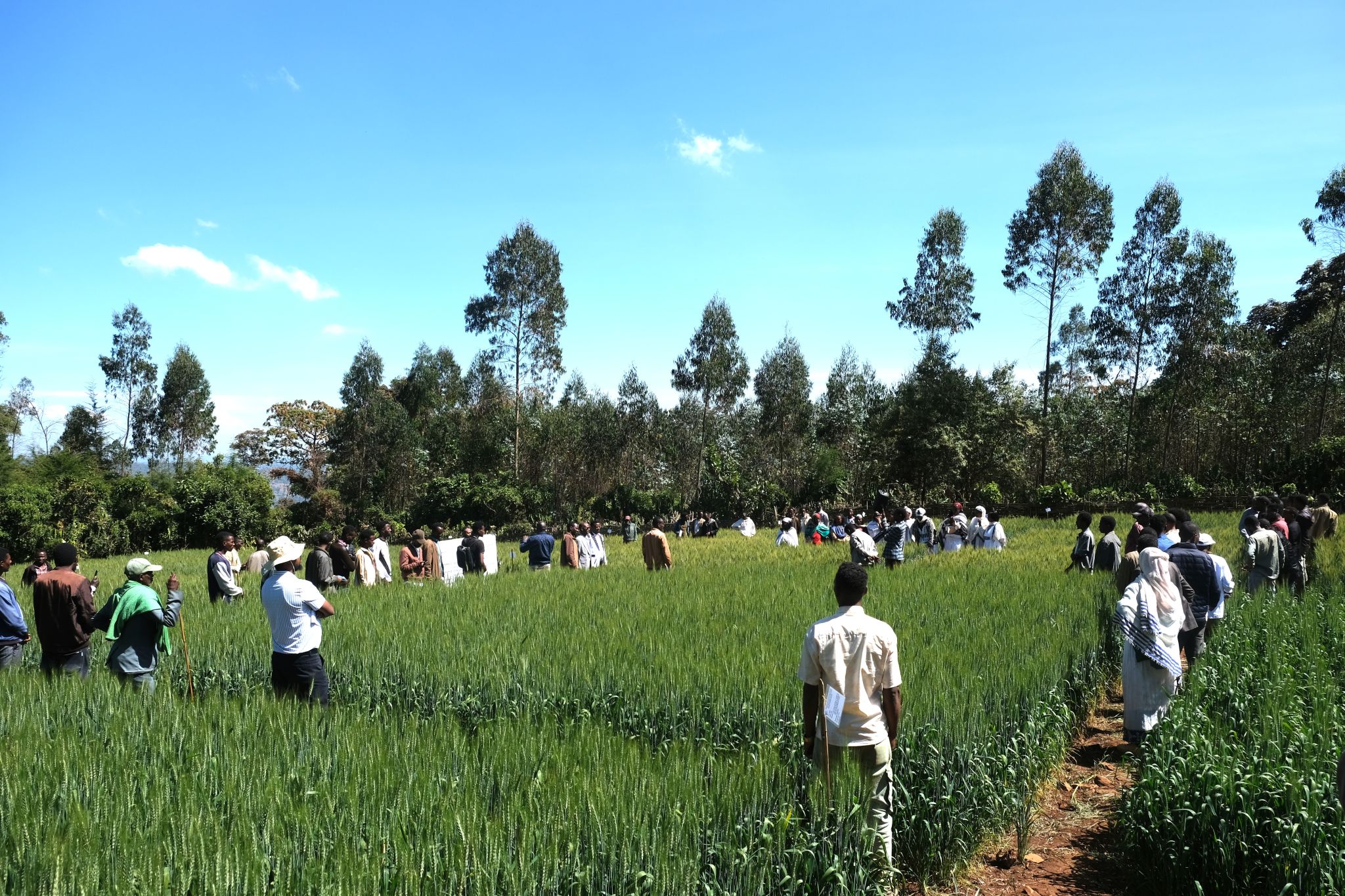
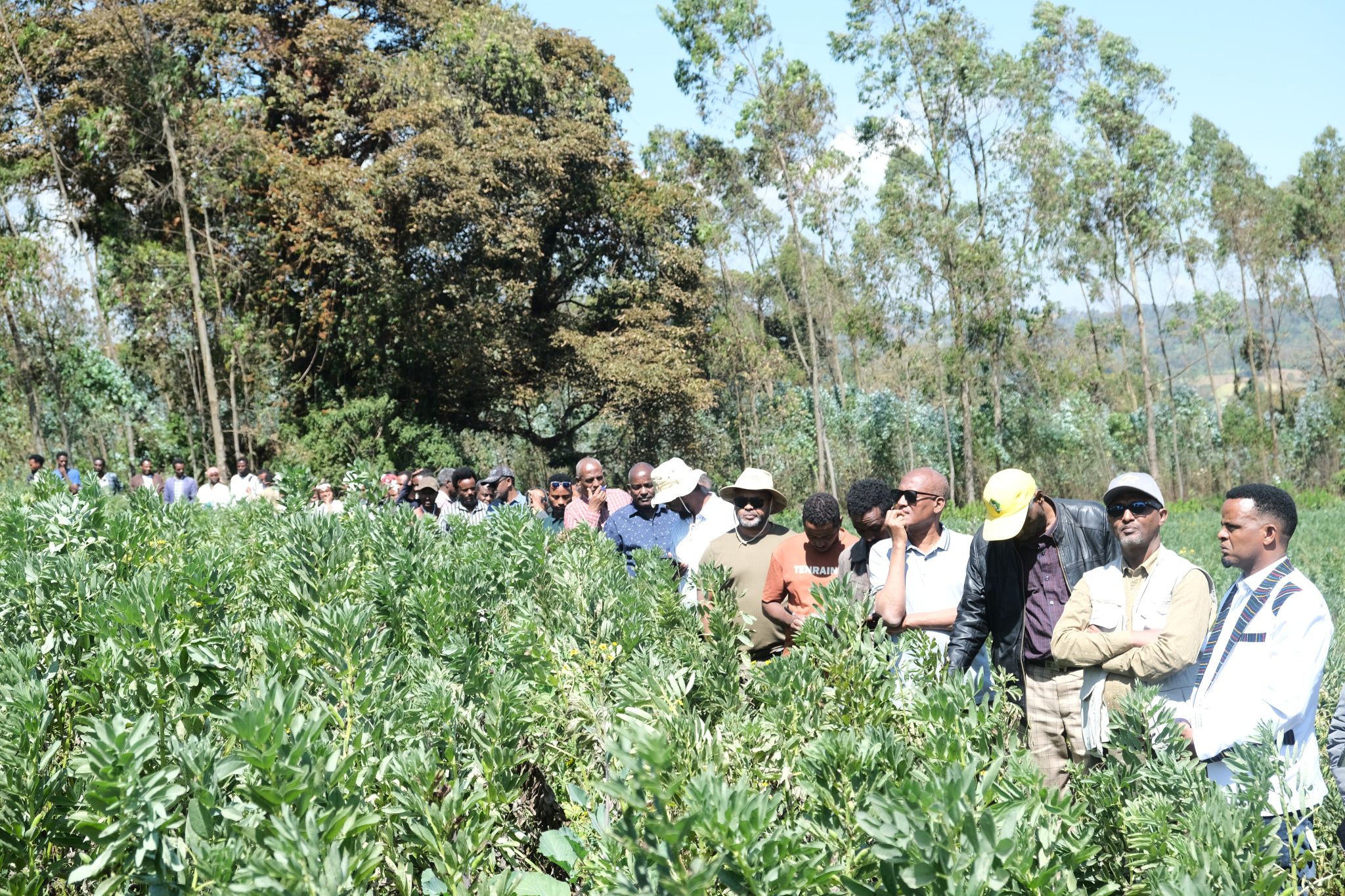
On a bright day in AnaSora Woreda, farmers, extension workers, and local leaders gathered for a Green Field Day that looked very different from a typical agricultural demonstration. Instead of single-crop plots and chemical inputs, visitors walked through diverse landscapes of crops, livestock, beehives, trees and kitchen gardens – all built around regenerative agriculture and nutrition sensitive practices.
Supported by the Food and Land Use Coalition, Ethiopia (FOLU Ethiopia) and implemented by the Sasakawa Africa Association (SAA), the field visits showcased how integrated practices in AnaSora are improving soil health, productivity, nutrition and resilience – and how these approaches can be scaled across the wider landscape.
Why regenerative agriculture matters here ?
Smallholder farmers in AnaSora face familiar but serious challenges: depleted soils, declining productivity, limited income options and poor nutrition. Years of conventional, input intensive practices have undermined soil fertility and increased vulnerability to climate shocks.
To respond, SAA has been promoting regenerative agriculture that integrates:
- crop rotation and diversification
- agroforestry and tree planting
- improved soil fertility management
- nutrition sensitive, household level food production
These practices are introduced through farmer centred demonstrations and learning platforms, helping communities test and adapt innovations in their own fields.
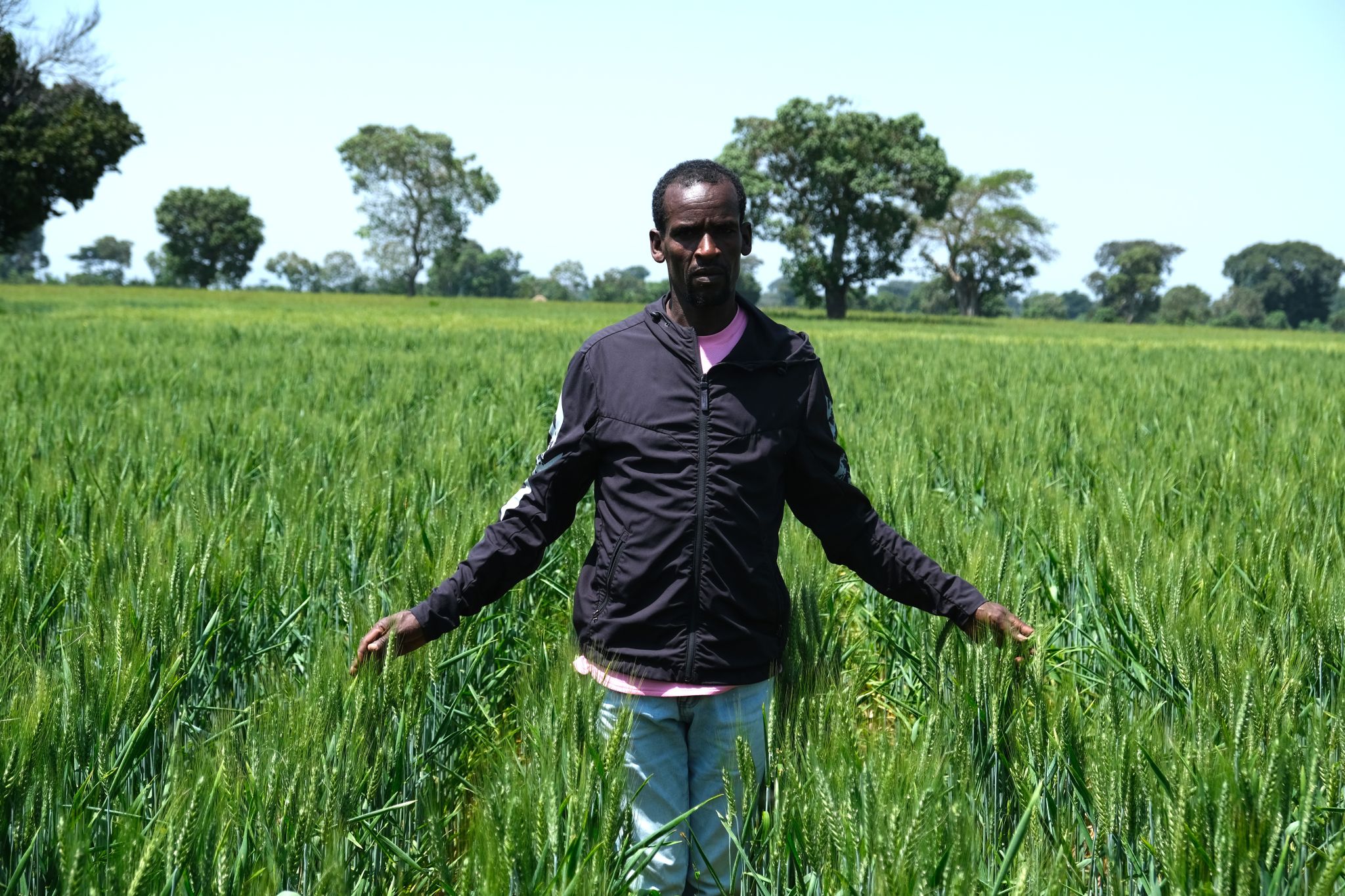
 Through crop rotation, composting, and diversified farming, I’ve seen my soil become healthier, my yields improve, and my income grow — regenerative agriculture is not just sustaining my farm, it’s strengthening my future.
In the field
FOLU Ethiopia and SAA’s joint approach
With FOLU’s financial support, SAA partnered with the Oromia Bureau of Agriculture, Guji Zone Bureau of Agriculture, and the Ana Sora District Agriculture Office to pilot the Farmers’ Learning Production Cluster (FLPC) approach. This model builds on the Ministry of Agriculture’s Farmer Production Cluster (FPC) framework but augments it with regenerative agriculture technologies and practices, putting crop diversity, soil health and farmer learning at the centre.
FOLU’s catalytic role included:
- enabling financing for pilot scaling
- supporting joint learning and documentation
- strengthening collaboration between farmers, government extension systems and technical partners
Learning activities reached a wide audience. Two experience sharing sessions engaged 262 participants, including TVET, school students and value chain partners, while kebele level Green Field Days reached 810 farmers, 217 of them women.
Together, these interventions demonstrated how integrated regenerative agriculture practices can:
- improve soil structure and fertility
- increase crop diversity and dietary diversity
- open new income opportunities (e.g. apiculture, tree products, surplus vegetables)
- reduce pressure on forests and fuelwood through more efficient energy use at household level
Impact at a glance
01
40 agroforestry seedling sites established, bringing trees back into farming systems
02
190 Perma gardens created to improve household nutrition and year-round food supply
03
16 vermi-wash demonstrations set up, introducing organic fertilisation techniques
Farmers as teachers and innovators
A standout feature of the Green Field Day was that model farmers hosted the visits. Farmers such as Mr. Zenebe Chalke and Mr. Debeso Sora opened their farms as living classrooms, demonstrating how they combine crop rotation and intercropping, Perma gardens with diverse vegetables, integrated livestock and manure management, apiculture and other complementary enterprises, and finally agroforestry trees for shade, fodder and soil health.
Their examples showed peers that regenerative agriculture is not a theory, but a practical pathway to more resilient, diversified livelihoods.




 Media and Communication, Regenerative Agriculture
 Ethiopia