


Green Field Day in AnaSora Woreda: Regenerative...
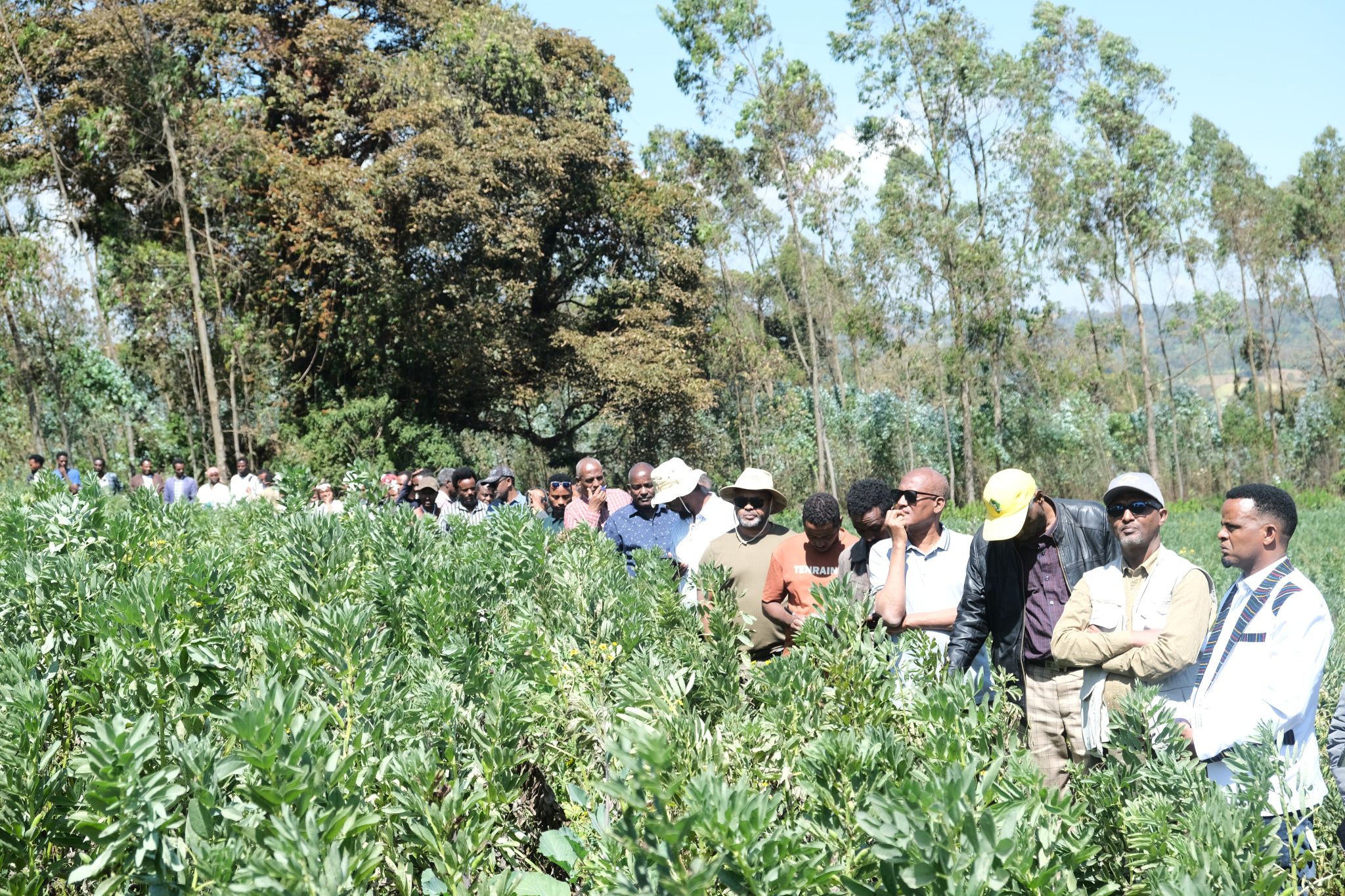
Farmers such as Mr. Zenebe Chalke and Mr. Debeso Sora showed peers that regenerative agriculture is not a theory, but...
 Regenerative Agriculture
 Ethiopia
 Go back
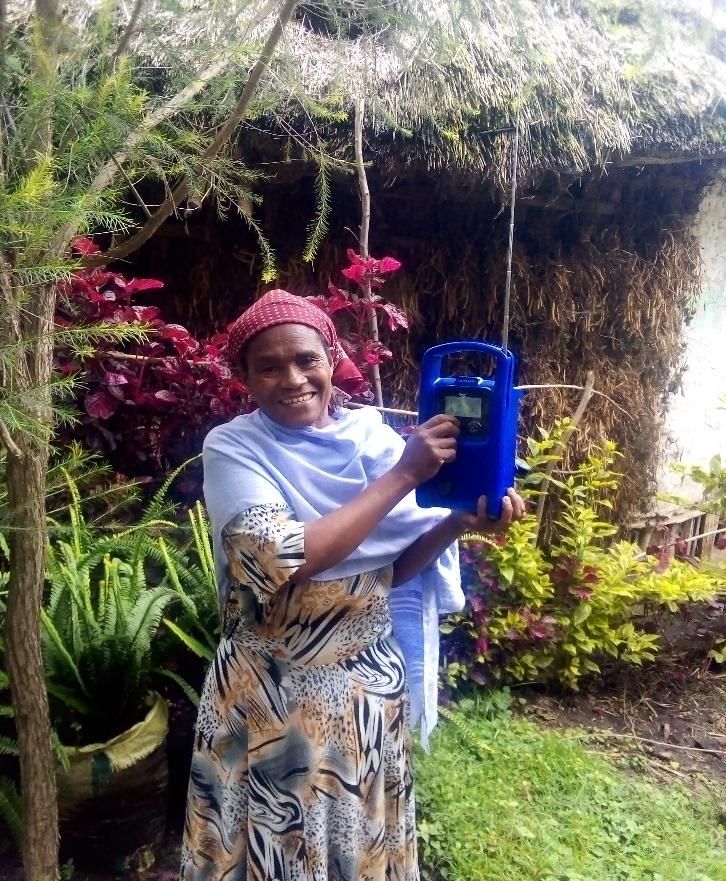
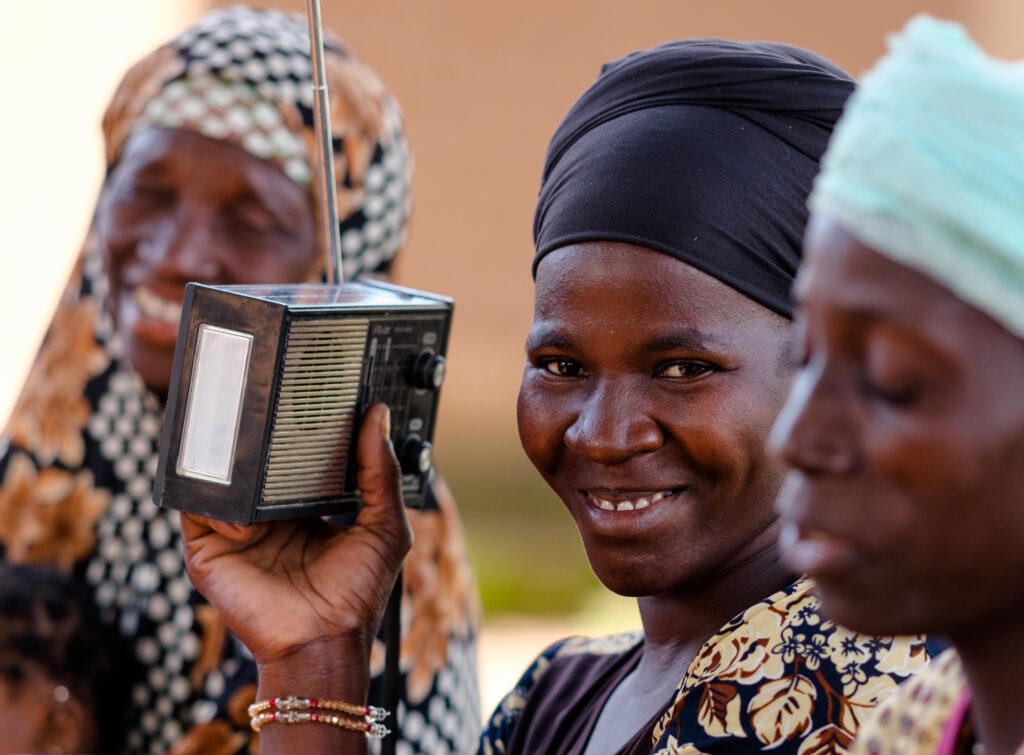
At dawn on a Sunday in Oromia, farmers tune in to a familiar radio jingle—not for a lecture, but a conversation. Neighbours, extension agents and experts share practical ways to improve soils, save water and diversify crops, while listeners call in, send SMS questions and hear their own voices on air.
For many, it is their most trusted source of advice, and for FOLU, a powerful way to scale regenerative agriculture from a handful of model farms to thousands of farmers.
This is the promise of a new interactive radio initiative in Ethiopia’s West Arsi and Guji zones – a collaboration between Farm Radio International (FRI) Ethiopia, the Sasakawa Africa Association (SAA), the Oromia Broadcasting Network (OBN) and the Food and Land Use Coalition, Ethiopia (FOLU Ethiopia). Designed to scale proven regenerative agriculture practices, it turns radio into a powerful, low-cost way to reach thousands of farmers who can’t always attend meetings or field days.
At its heart, this is a story about communication – using a familiar technology in a new way to scale what works.
By blending farmer voices, expert knowledge and mass media, FOLU and partners are showing that when communication is done creatively and inclusively, it becomes a powerful lever for food systems transformation – one radio show at a time.
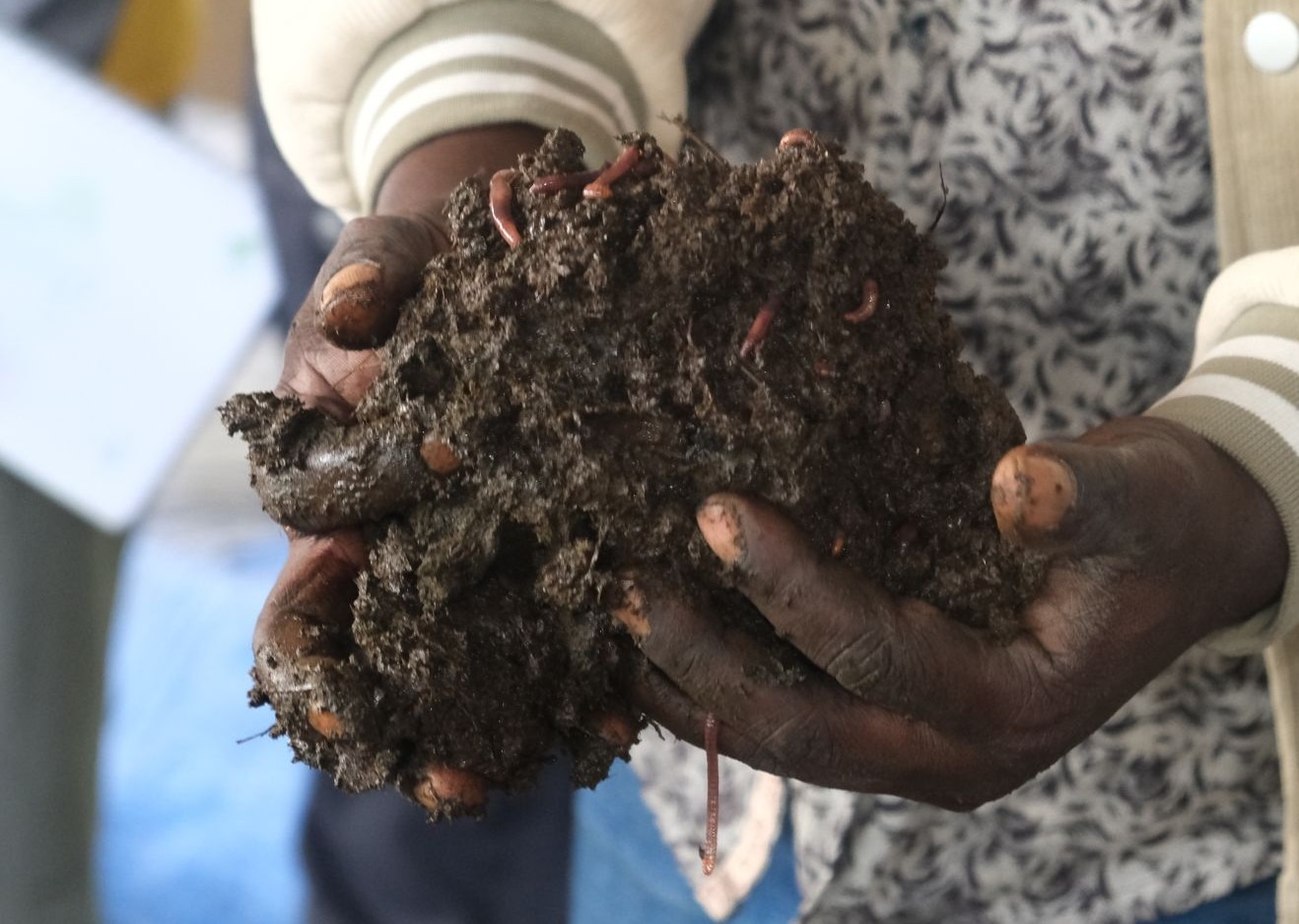
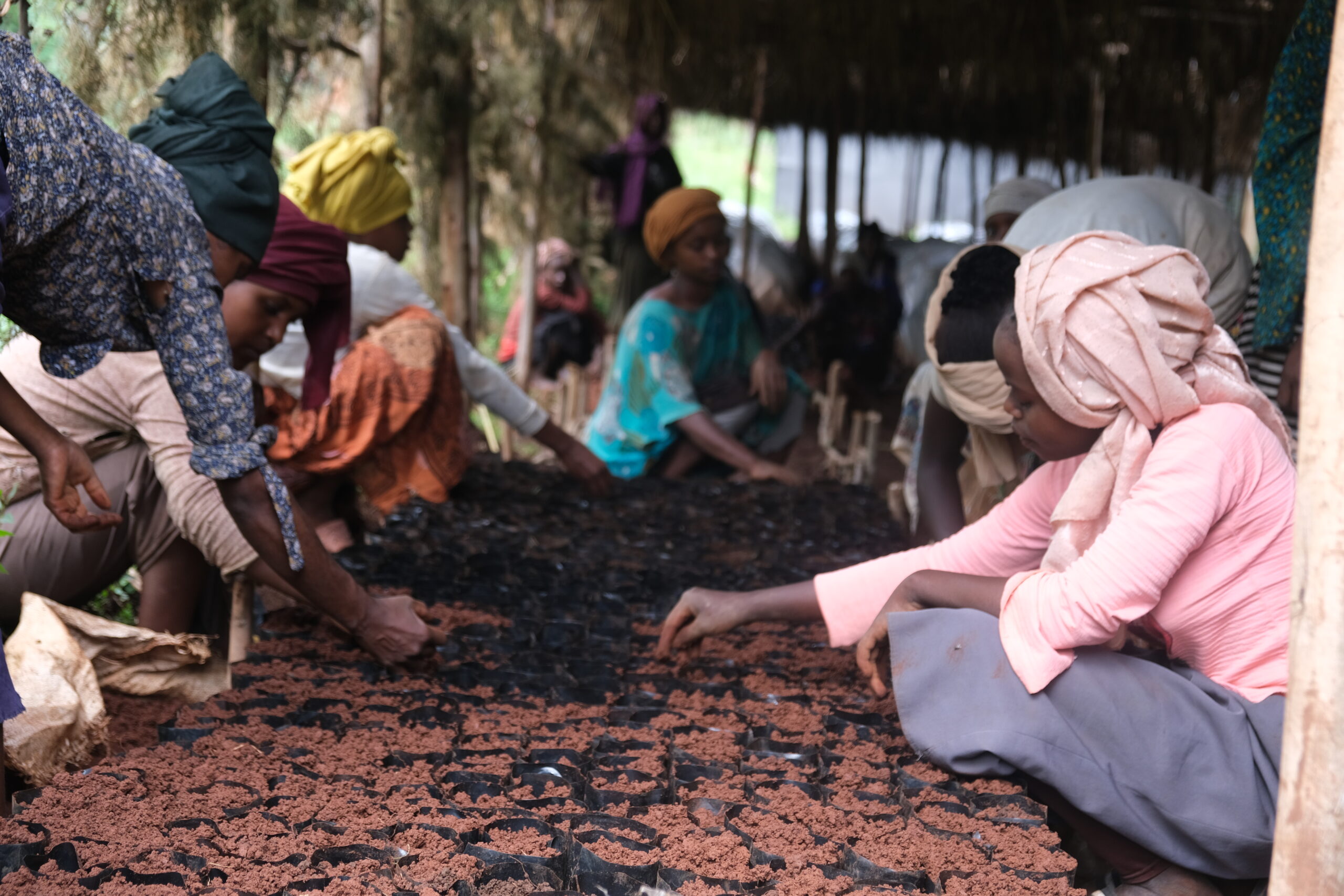
In Negele Arsi (West Arsi) and Ana Sora (Guji), smallholder farmers face soil degradation, low productivity and increasing climate shocks. Over the past four years, SAA – with FOLU Ethiopia’s support – has demonstrated regenerative agriculture practices through Farmer Learning Production Clusters (FLPCs). Farmers have adopted integrated soil fertility management, water harvesting, crop livestock integration and Perma gardens, seeing improvements in soil health, yields and resilience.
Yet these successes remained concentrated in a limited number of communities.
The key question became: how do we move from dozens of model farms to thousands of informed farmers across the region?
In 2024, FRI and SAA, with FOLU funding, piloted a specialised regenerative agriculture radio campaign in Angacha woreda. Broadcast in local languages, the programmes helped close grassroots information gaps and demonstrated that radio could meaningfully enhance farmers’ knowledge and confidence to try new practices. Building on this, the partners agreed to scale up in Oromia’s West Arsi and Guji zones.
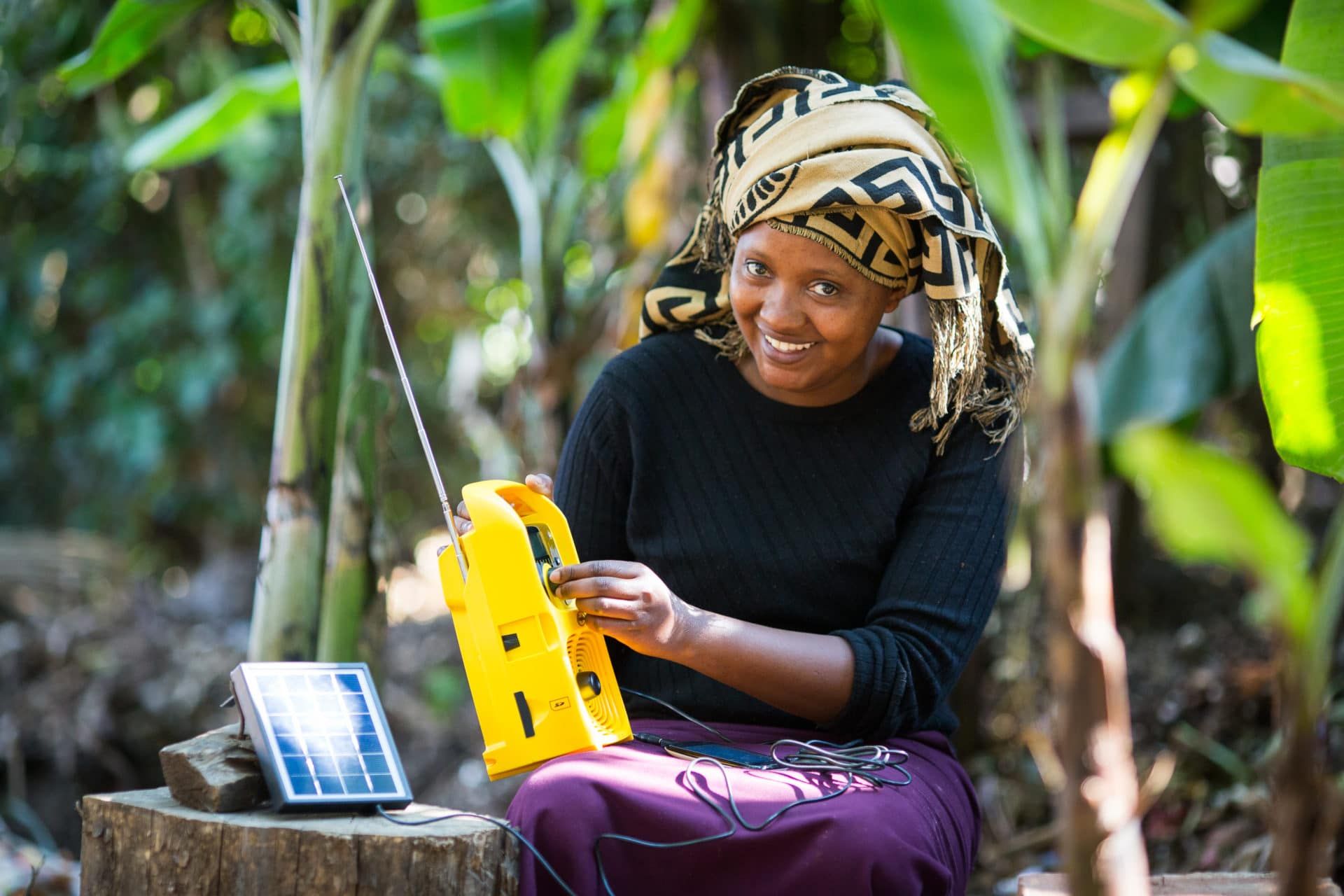
Photo Credit: FOLU Ethiopia
With FOLU providing catalytic funding and technical guidance, FRI Ethiopia led the design and coordination of a new interactive radio series, working closely with:
Between May and August 2025, the team focused on getting the foundations right. This meant
This co-designed process ensured that farmers’ needs, local languages and gender realities shaped the programmes, rather than being an afterthought.
Radio remains one of the most cost-effective ways to reach rural communities in Ethiopia. FRI estimates that its work in the country now reaches around 12 million potential listeners, often supported by community listening groups and calling features that turn radio into a two-way conversation.
Earlier FRI programmes in Ethiopia have shown that when farmers hear practical, locally grounded content – and can ask questions or hear peers’ experiences – they are more likely to try new practices such as improved soil management, water harvesting or crop diversification.
Reach farmers in remote areas where road access and extension coverage are limited
Amplify the voices of local farmers and women leaders, not just experts
Leverage trusted local broadcasters to make regenerative agriculture both understandable and relatable
Because broadcasts in West Arsi and Guji began in September 2025, it is too early to quantify changes in adoption or yields. But the early phase has already delivered important systems level progress:
As the broadcasts continue, the focus will shift to understanding what changes, how farmers adapt practices, what they trust, and what spreads.
Combined with SAA’s on-the-ground demonstrations, the radio programmes are doing more than sharing information. They are helping farmers see that regenerative agriculture is not just for model farms, it is possible in their own fields and communities.