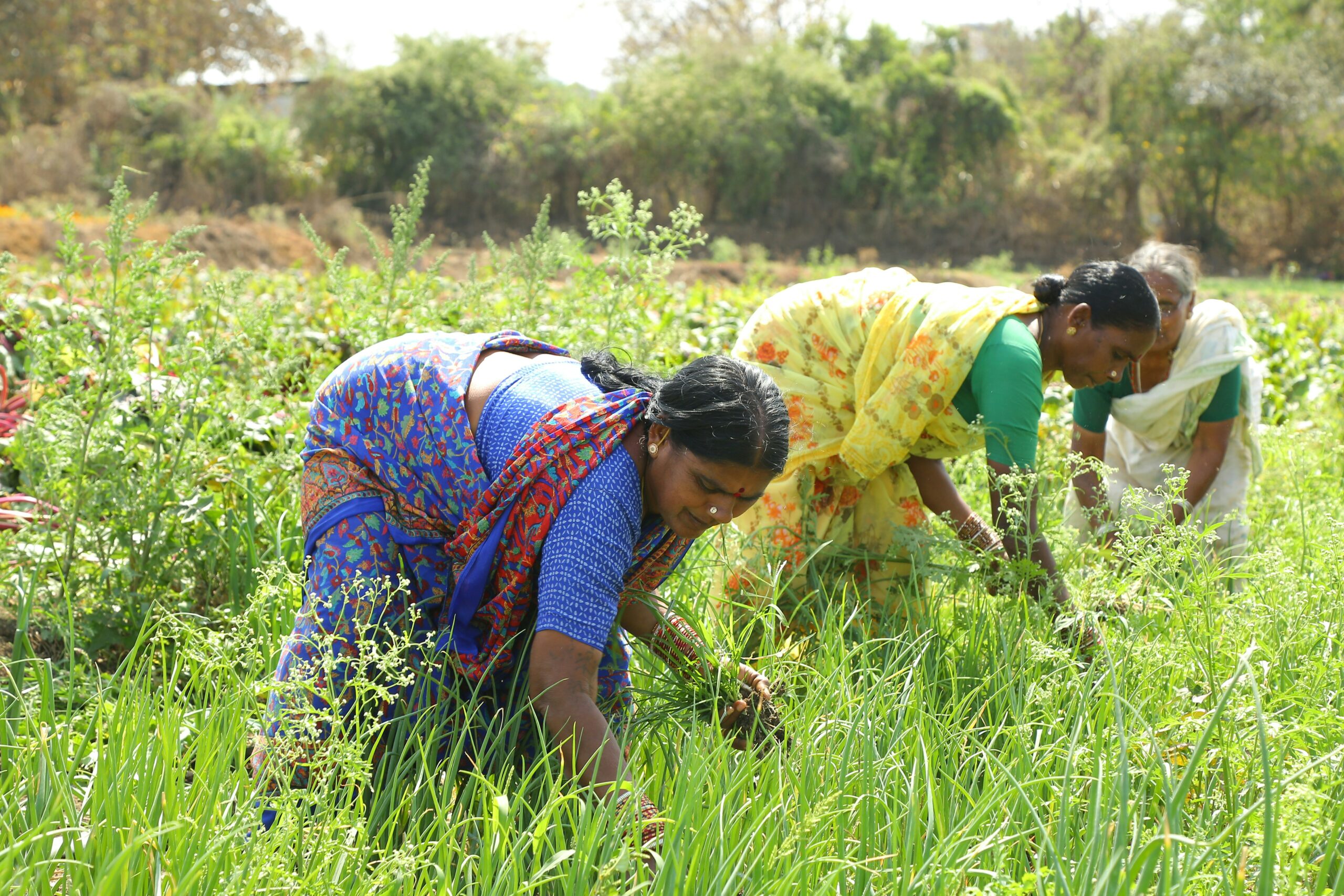
Brazil’s National Productive Forests Program (PNFP) shows what’s possible when policy, finance, and local action come together—restoring degraded land while strengthening food security, supporting livelihoods, and building resilience.
Background & context
Across rural Brazil, millions of hectares of land are degraded, and thousands of family farmers face low incomes, low productivity and limited technical support. At the same time, Brazil has made ambitious climate and biodiversity commitments, including PLANAVEG 2.0, which aims to restore 12 million hectares by 2030 as part of the country’s contribution to the Paris Agreement. Achieving these goals requires large‑scale restoration that improves livelihoods while regenerating landscapes.
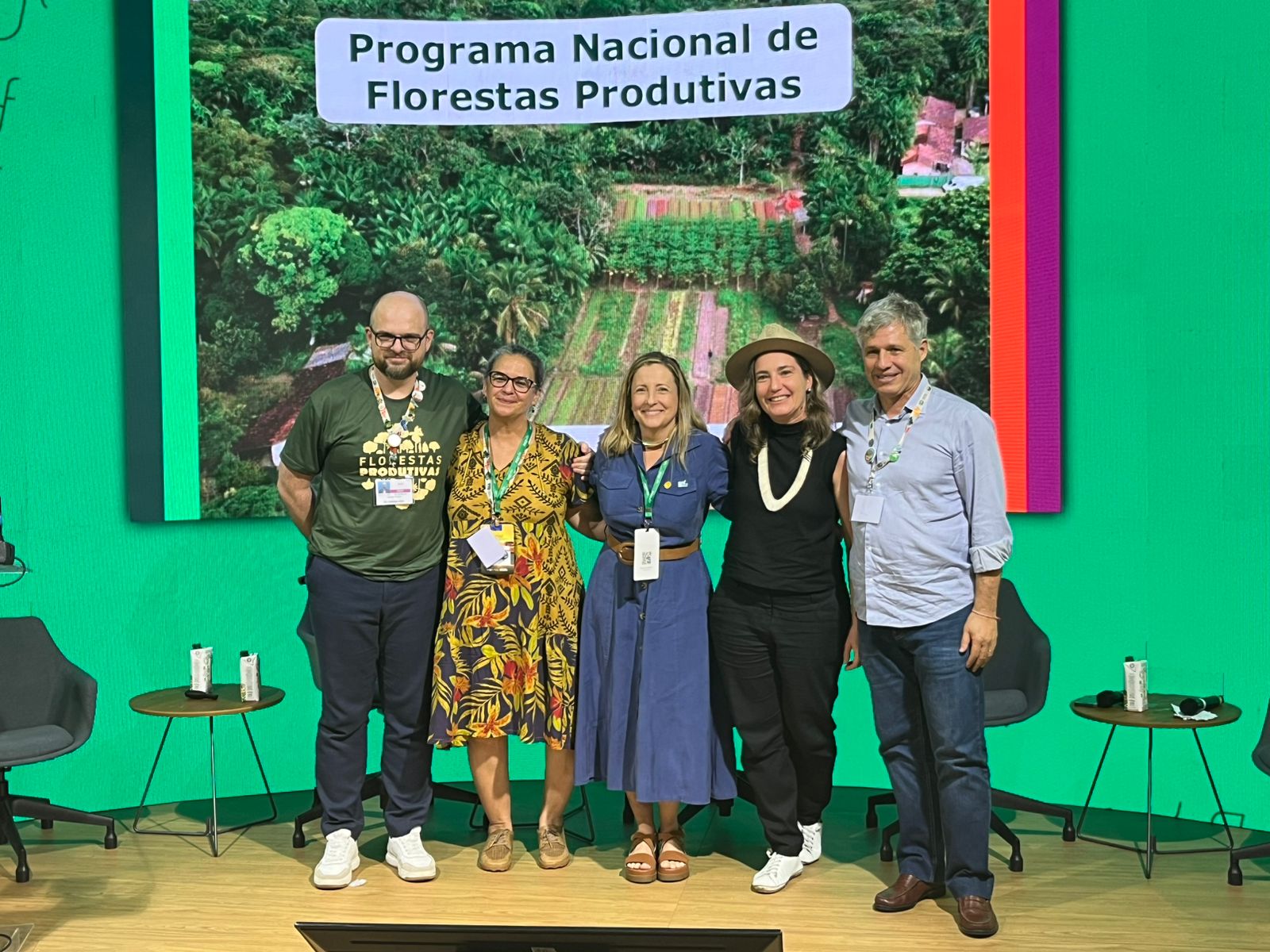
The National Productive Forests Program (PNFP), led by Brazil’s Ministry of Agrarian Development and Family Farming (MDA), responds to this challenge. By promoting agroforestry systems that restore degraded land and generate income, the PNFP is strengthening rural livelihoods, producing food, and supporting Brazil’s climate commitments. FOLU Brasil has played a catalytic role in bringing this initiative to life.
From degraded land to productive forests
Brazil’s vast areas of degraded land are not only a challenge, they offer a major opportunity to restore, regenerate, and rethink how land is used. Restoring these landscapes can recover soil health, produce healthy food, strengthen the bioeconomy, and combat rural poverty. For family farmers, it offers a way to sustain production, generate income, and improve food security, while valuing traditional knowledge and restoring biodiversity. This is another way of understanding productive landscapes and its ecological role in sustainable development.
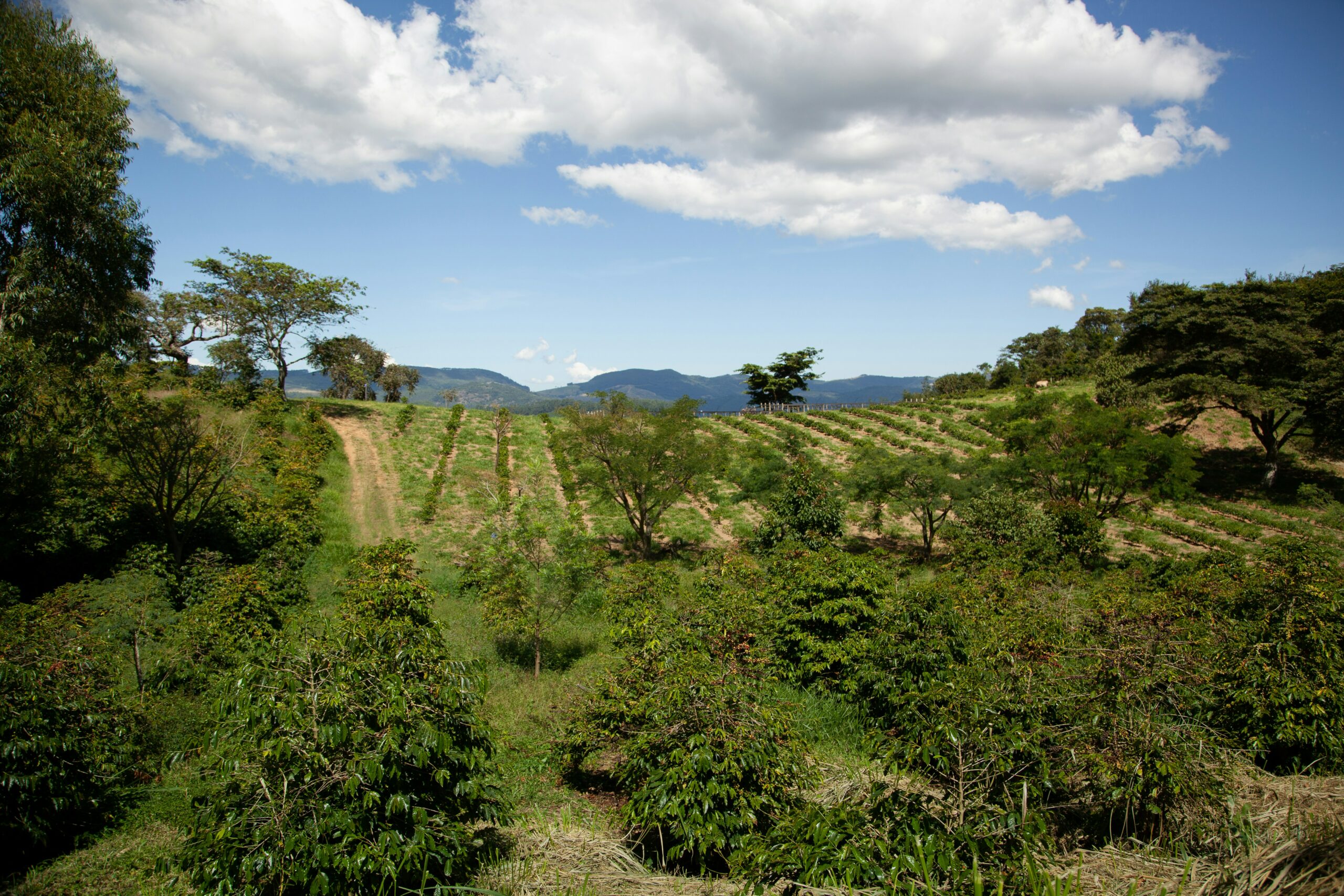
Recognising this opportunity, the federal government launched the National Productive Forests Program (PNFP) to promote agroforestry systems that bring productive and native trees back into farming landscapes. These systems restore soil and biodiversity while producing food, timber and other products that families can sell or consume. However, turning PNFP into a coordinated, financed, nationwide programme required strong policy design, clear territorial priorities and significant funding.
 With the National Productive Forests Program, we are showing that it is possible to recover degraded land while improving rural livelihoods and strengthening Brazil’s climate commitments
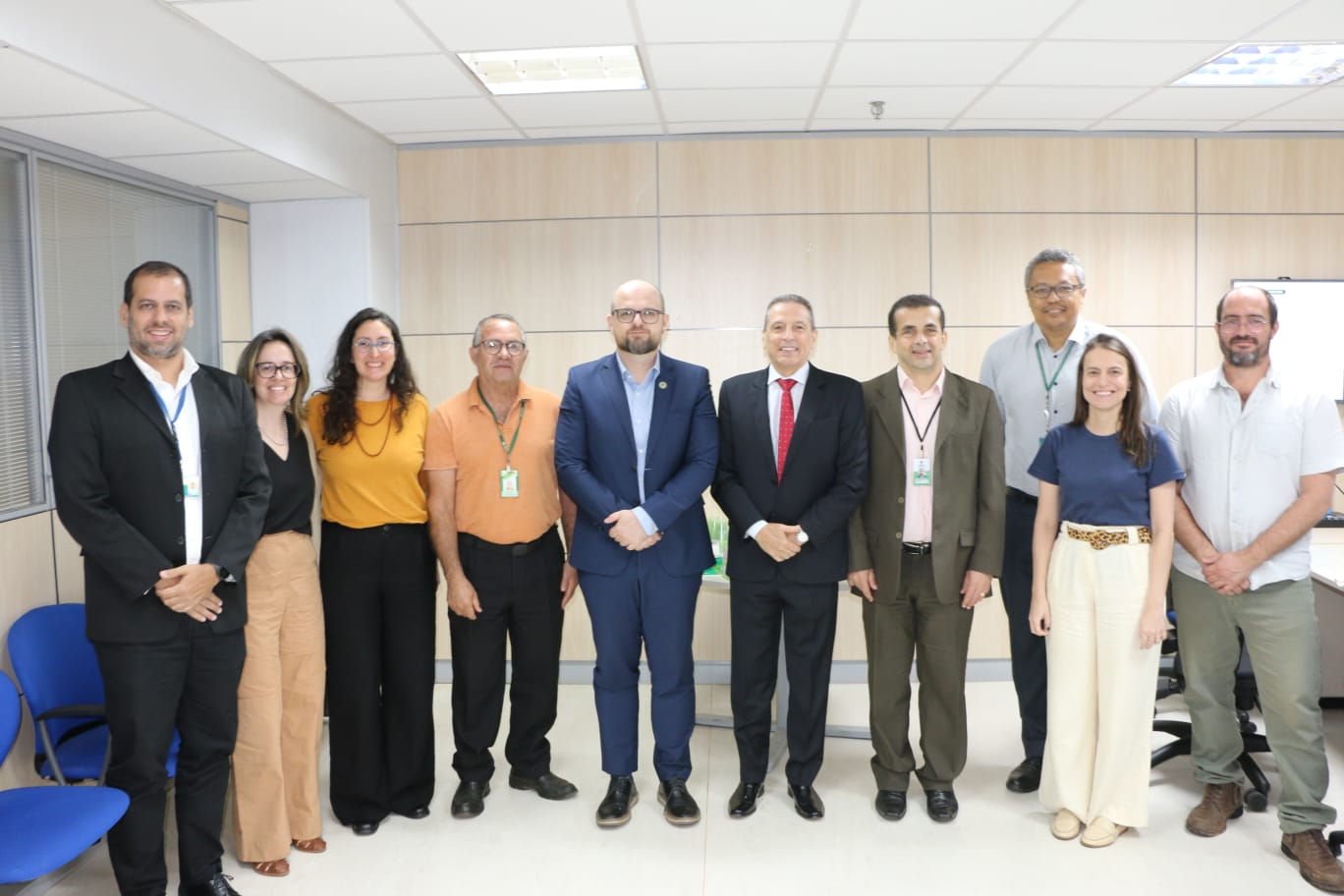
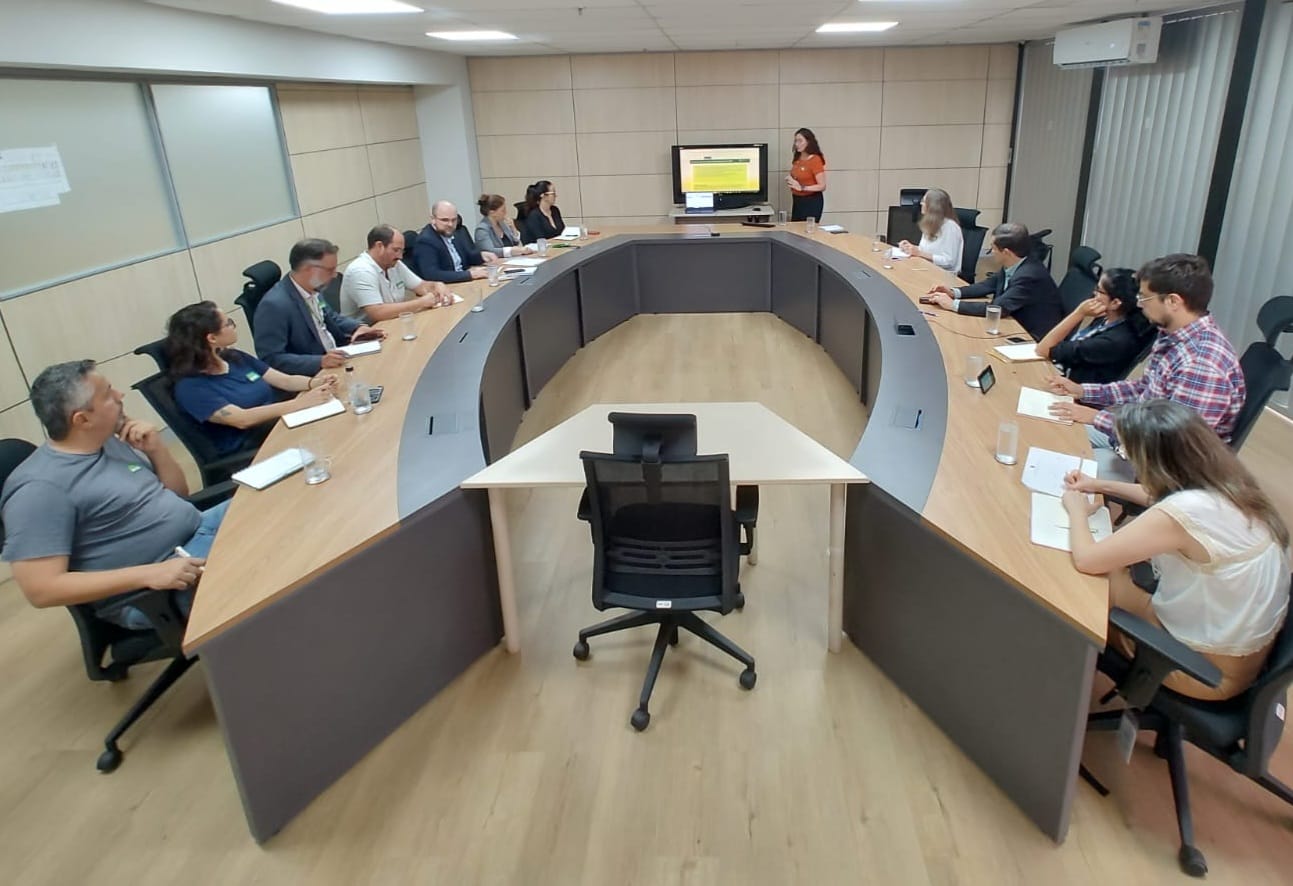
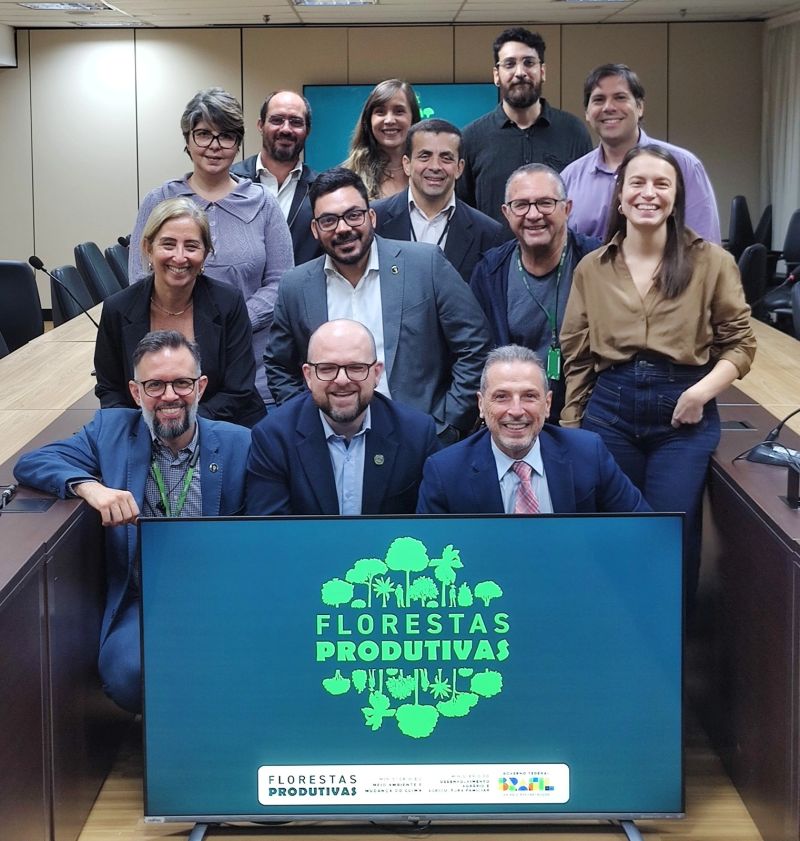
PNFP Steering Committee meeting (Photo Credits: FOLU Brasil)
FOLU Brasil’s Role: From policy idea to implementation
FOLU Brasil played a key role in turning PNFP from a promising policy idea into a national initiative with dedicated funding, clear governance, and a strong results framework.
- Identifying a high-impact opportunity: FOLU Brasil reviewed the policy priorities of the newly re-established Ministry of Agrarian Development and Family Farming (MDA) and identified PNFP as a flagship programme with the potential to deliver real gains for livelihoods, ecosystem restoration, and climate action.
- Shaping the programme’s design and focus: Working closely with MDA, FOLU Brasil helped shape the design of PNFP and guide its initial geographic focus, ensuring the programme responded both to environmental priorities and to the realities faced by family farmers across different regions.
- Laying the foundation for impact: In close collaboration with the MDA team, FOLU Brasil developed a Theory of Change and a set of monitoring indicators for PNFP, creating a strong foundation for implementation, learning, and accountability.
Through this work, FOLU Brasil acted as an advisor on the agenda of the Program’s Steering Committee, being a trusted convener and technical partner, supporting alignment between ministries, public banks, research institutions and civil society around a shared vision for “productive restoration”.
Early Results: Restoration that pays back
01
USD 111 million mobilised from the Amazon Fund (managed by BNDES), the Caixa Socioenvironmental Fund and other partners — financing Brazil’s first nationwide productive restoration initiative.
02
15,000 hectares of degraded land under restoration through agroforestry systems.
03
37,000 family farmers currently benefitting from the programme.
Key lessons and what’s next
PNFP aims to restore 30,000 hectarets by 2030. At its core, the programme is showing that restoration can be both environmentally and economically viable.
Beyond the numbers, the PNFP brings field-based experiences and decentralised discussions into the heart of national policy, shaping a public agenda for productive restoration. Across Brazil, early experiences point to several key shifts:
- Restoration as an economic strategy: Farmers are demonstrating that restoration does not mean sacrificing production. Through agroforestry, they are growing food while improving soil health, diversifying income, and building resilience to climate shocks. Restoration, in this sense, becomes a practical and attractive livelihood option.
- Stronger governance and policy integration: A dedicated steering committee brings together key institutions including MDA, MAPA, MMA, Embrapa, Incra, SFB and BNDES — to better align policies, finance, technical support and monitoring. This more coordinated approach is helping translate national ambition into action on the ground.
- Public finance as a lever: Investments from public and development finance—such as BNDES, the Amazon Fund, and rural credit programmes—are enabling restoration efforts to expand. These resources are supporting agroforestry systems and strengthening partnerships with civil society, farmer networks, and state governments..
Several lessons are already emerging. Restoration and income generation can go hand in hand. Strong governance, combined with meaningful participation, is essential to respond to real-world challenges. And because productive restoration sits at the intersection of agriculture, environment, and livelihoods, it requires coordination across multiple policies and actors.
Looking ahead, PNFP offers a growing model for how restoration can move from concept to practice, delivering benefits for people, nature, and climate alike.





 Food Loss & Waste, Healthy Diets, Regenerative Agriculture
 Colombia